Cross-Continental Slow-Travel Planner
Pairing a European Village Weekend with a US RV Road Trip
Planning a cross-continental slow travel plan can feel ambitious, especially for budget-minded seniors. This practical framework helps you sequence a short European village escape with a longer US RV adventure, keeping pacing gentle, packing simple, and costs under control.
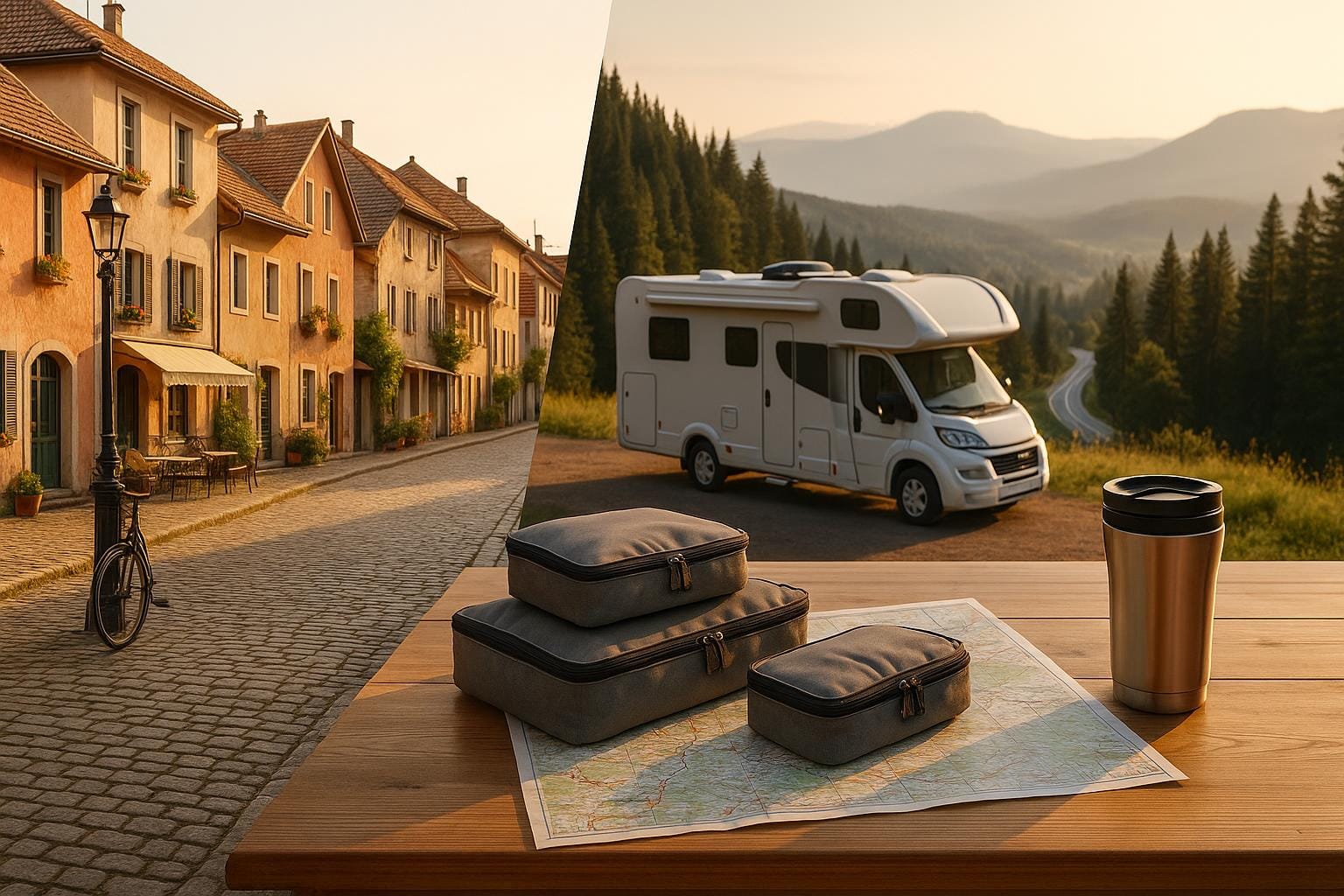
Why this combo works: Europe offers compact, walkable towns filled with charm, easy rail access, and cultural victories that recharge the spirit. The United States presents wide-open roads, national parks, and flexible schedules that let you linger or press on as you please. By treating both legs as part of one cohesive journey, you can enjoy the best of both styles without burnout.
1) Build the timeline: Europe first, then the open road
A typical plan might be 3–5 days in a European village, followed by 10–14 days on a US RV loop. This pacing keeps travel light on the front end while allowing a longer, more relaxed exploration after you land back in the States. Choose a village with easy rail access and a cozy pace so you can walk everywhere, then set your US route around a few must-see landscapes and a few restful campgrounds.
For example, start with a village near a rail hub, spend mornings wandering lanes and bakeries, and save long drives for after you’ve adjusted to the time zone. If you’re unsure where to begin, eurail like a pro can help you plan efficient train hops between villages.
Our approach to Europe planning blends practical pacing with realistic budgets. Read more about how we plan a European leg in our Europe planning approach. rail and road reset offers ideas on combining rail travel with road adventures.
2) Pack light, but ready for two climates
The key to a smooth cross-continental trip is light, versatile packing. Aim for 7–10 days of outfits that mix and match, plus a compact rain shell and a warm layer for cool European evenings. If your Europe leg is short, you can do quick hand-wash cycles and laundry at a local laundromat or your accommodation.
For the RV portion, pack compact essentials that cover comfort and safety on the road: a lightweight fleece, a few quick-dry towels, collapsible storage bags, and a small first-aid kit. Don’t forget adapters for EU-to-US power compatibility and a travel-friendly multi-plug for charging devices in the RV.
Put together a simple packing list early in the planning process to avoid last-minute overpacking. A well-curated list reduces stress and keeps your suitcase or tote manageable during train hops and campground stops.
3) Budget and pacing shortcuts for seniors
Slow travel doesn’t have to be expensive. Use a mix of free or low-cost activities, smart lodging options, and a few splurges that create lasting memories. Some practical tips:
- Choose village stays near transit hubs to cut taxi costs.
- Book campsites or RV parks with good access to parks and trails to reduce shuttle costs.
- Travel shoulder seasons when crowds are thinner and prices lower.
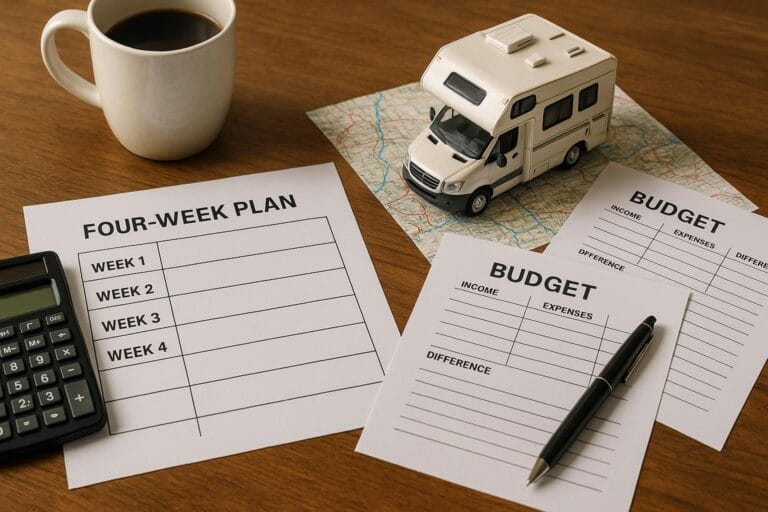
- Carry a simple budget plan and track daily expenses on a notes app or a small notebook.
- Look for multi-day rail passes or park passes that cover multiple attractions.
For inspiration on budgeting and planning for Europe and the US, see our broader budgeting and research guides and the Portugal itinerary for a portion of a European leg as a reference point.
4) Itinerary concept: a simple two-leg plan
Example structure (adjust to your dates and pace):
- Days 1–4: European village experience — strolls, markets, a day trip by rail, and a relaxed dining rhythm.
- Days 5–6: Travel day and transition to the US — a scenic layover or scenic drive to a gateway city with an RV rental or pickup.
- Days 7–14: US RV loop — a national park corridor with a couple of longer driving days and several shorter scenic stops, plus restful evenings at family-friendly campground spaces.
If you’re curious about ocean-to-road travel or want more detail on a region, read more about Europe planning and regional itineraries in our related posts. For example, you might explore the Portugal itinerary for ideas you can translate into a European village stay near train routes.
When you’re ready to map your own two-leg plan, start with a simple calendar that marks the Europe days and the RV days, then add key activities, rest days, and travel times. A relaxed, well-paced plan helps you stay flexible and maximize the enjoyment of both sides of the Atlantic.