Boondocking on a Budget
Comfort-First RV Sleep Spots Across the US for Relaxed 50+ Travelers
Boondocking doesn’t have to mean roughing it. With a few simple prep steps, you can enjoy safe, scenic, low-cost overnight spots from sunlit desert rest areas to quiet forest parks, while staying warm, conserving water, and sleeping well after long days on the road. This guide is built for comfort-minded travelers who value warmth, practical routines, and reliable rest on a two-week loop.
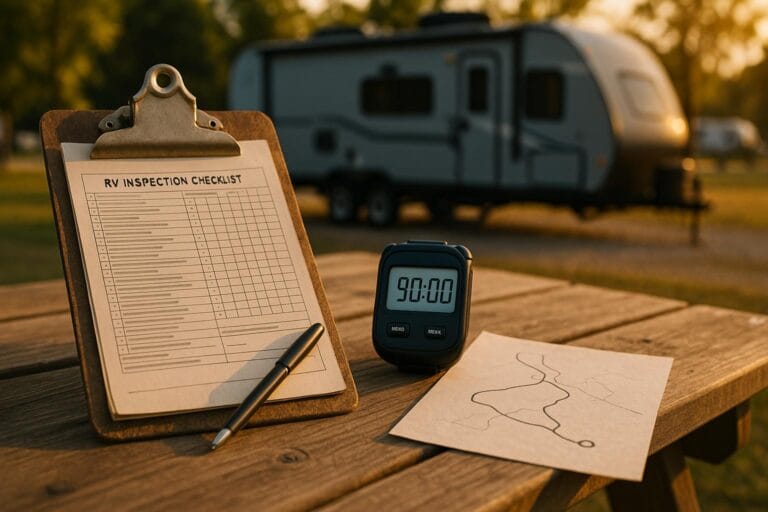
Before you roll on, set a plan that balances independence with predictable routines. The right site is quiet, within your driving day, and has easy access to water, shade, and a safe approach. You’ll rest easier knowing your night temperatures, battery levels, and fuel reserves are tracked so you wake refreshed for the next day’s adventure.
Smart Sleep Spots on the Grid and Off
Mix reserve camping with discreet boondocking in established public lands where overnight stays are allowed. Start with forest service or BLM areas that have basic access and avoid fragile habitats. For a practical blueprint, check out the boondocking guide to build confidence and safety habits.
Next, plan a two-week loop by mapping a handful of dependable water-fill points and a few backup sites in case weather shifts. Our budget-focused prep material can help you compare options and decide how many nights to stay in each area. Learn more in our budget tips.
Power, Water, and Warmth: Simple Hacks
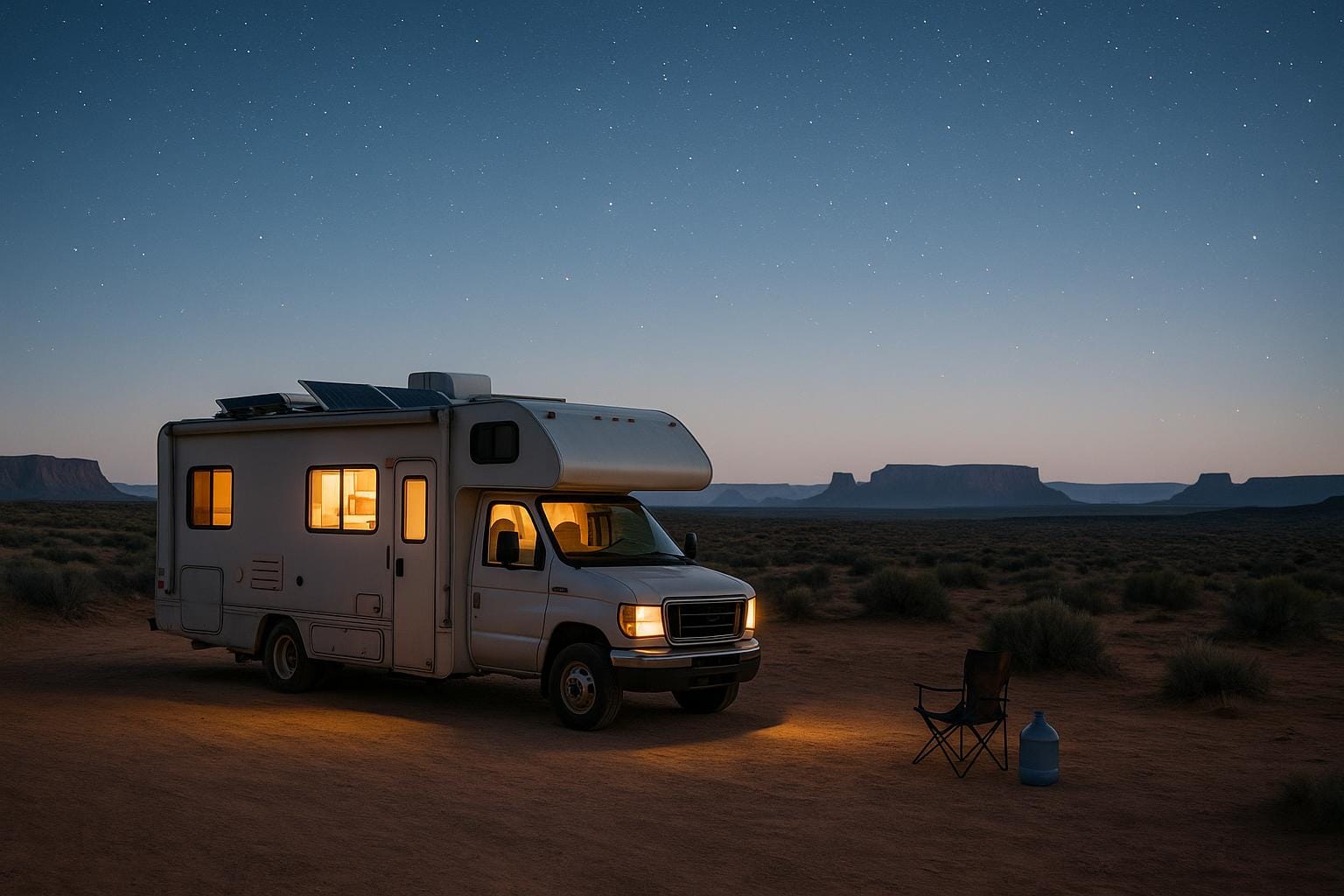
Off-grid living hinges on smart power use and careful water planning. Use a reliable solar setup or a small generator to keep the fridge cold without depleting batteries all night. If it’s chilly, layer blankets or use a heater pad to stay warm without excess propane. Keep your freshwater use lean by reusing rinse water for gray-water tasks where possible and storing wastewater in a tote when you’re far from facilities. A lightweight, fast-drying sleeping pad and compact sleeping bag can make chilly nights feel cozy.
When you’re on the move, choose sites that feel remote but are still safe, with easy retreat access if wind or weather shifts. If you’re curious about parks with RV access that fit a budget, our guide to RV-friendly national parks can help. See the post here for lightweight planning ideas and park-specific tips: national parks tips.
Desert Nights and Forest Mornings: Real-World Spots
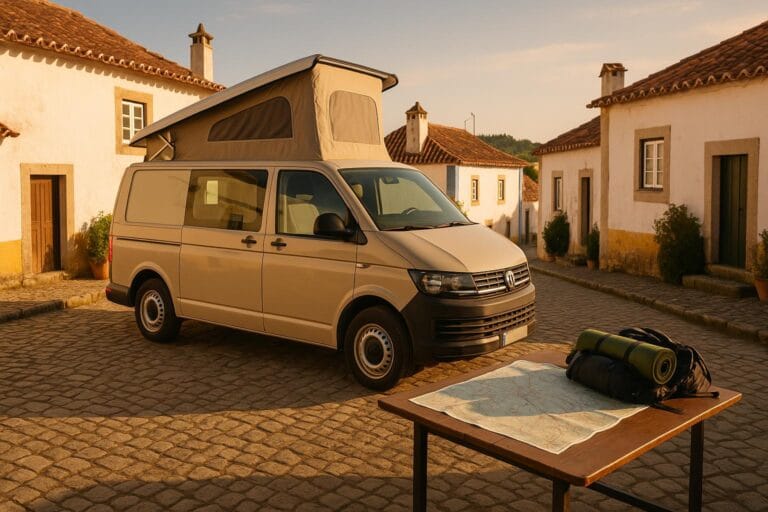
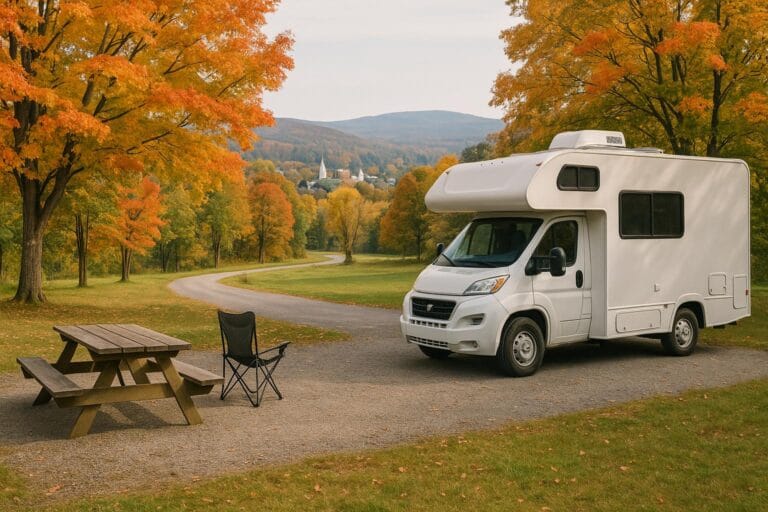
In desert settings, look for sites with some natural shade and protection from prevailing winds. A small air mattress, a warm sleeping bag, and a thermos of hot tea make mornings more pleasant. In forested areas, a clearing near pines or aspens can offer cooler nights and a sense of shelter. Alternate a couple of desert boondocks with quiet forest spots so you don’t burn out on one mood or landscape. Always arrive early enough to scout the site, set up the RV, and enjoy a soft landing before sundown.
Safety and etiquette matter everywhere. Stay on established roads, respect private property boundaries near urban edges, and follow local rules about quiet hours and waste disposal. If you’re building your route, our internal posts offer budget travel context and practical route ideas. A few quick references can help you plan ahead and stay flexible on the road.
Two-Week Loop Planning: Practical Timeline
Design a simple two-week rhythm: 3–4 nights off-grid or low-cost stays, then 2–3 nights near towns for showers, groceries, and restocking. Keep meals straightforward—one-pot dinners or hot sandwiches work well—and keep a small cooler stocked with fresh produce. Manage energy by planning driving days to land on sunny weather and by running essential appliances during daylight when possible. If you’re traveling with family, include kid-friendly activities like short hikes, stargazing, or a simple scavenger hunt near the campsite.
To fine-tune your plan, compare a handful of routes and stay options using our budget-centric guidance. For a solid starting point, see the boondocking guide, budget tips, and national parks tips referenced above.