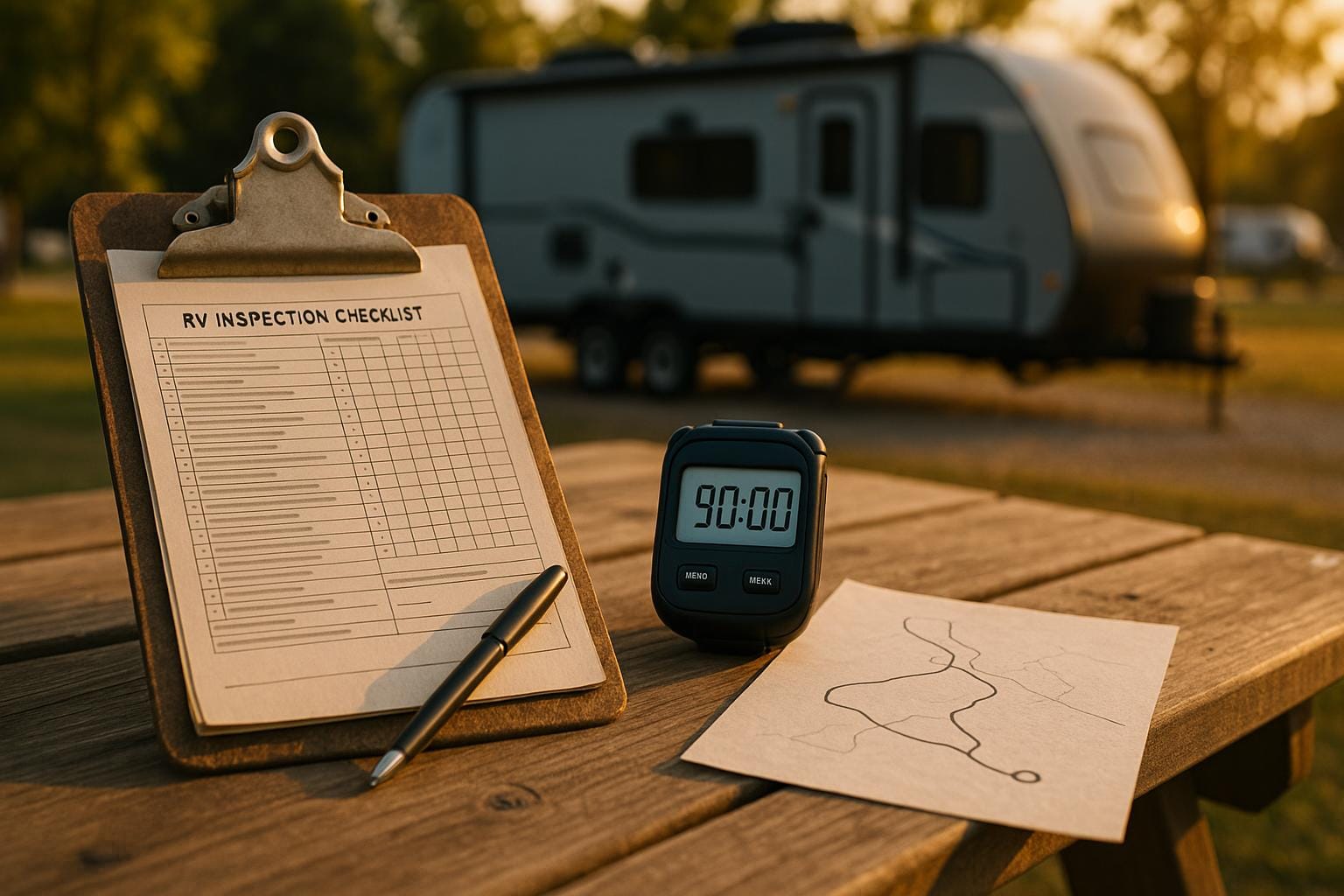
Slow-Travel RV Inspect
The 90-Minute Viewing Walkthrough for First-Timers
Thinking about buying your first RV? A slow-travel approach helps you catch issues without overwhelming yourself. This 90-minute walkthrough focuses on the areas that matter most for budget and peace of mind, balancing exterior checks, interior livability, and the feel of a smooth drive.
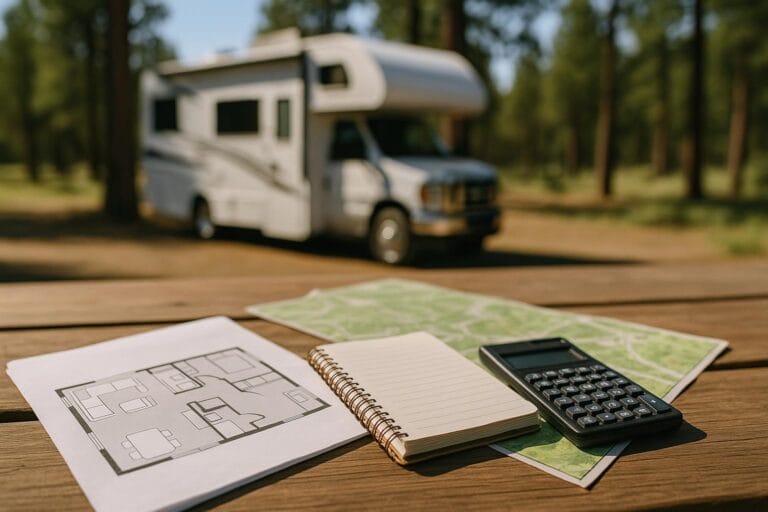
Before you start, gather a simple checklist, a flashlight, a pen, and a friend who can ask smart questions. For new buyers, doing a little upfront budget research makes the walkthrough more productive. Budget-focused RV research can set expectations for price, condition, and lingering repair needs.
Before you go: set expectations
- Define your budget and non-negotiables.
- Bring a trusted helper or inspector if possible.
- Print or save a checklist to avoid missing items.
Knowing what you’re looking for helps you spot deal-breakers quickly. If you’re shopping on a budget, a quick review of our in-person RV shopping checklist keeps you focused during the walkaround.
Exterior walkaround (0–15 minutes)
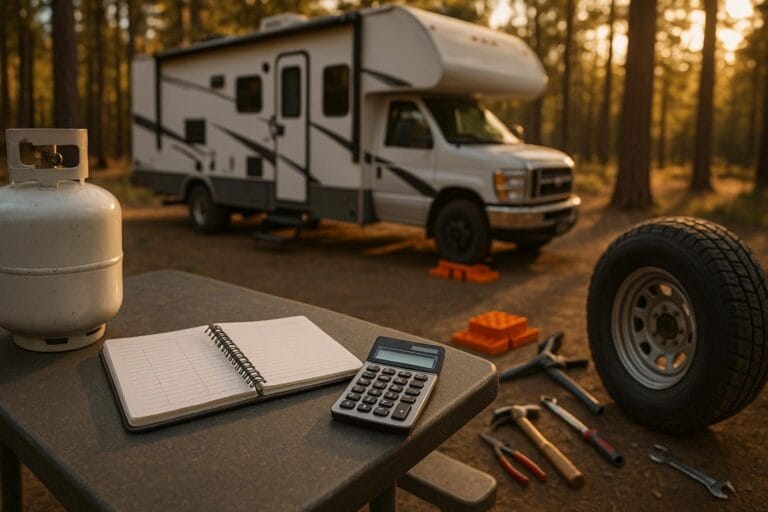
- Tires and wheels for tread wear or sidewall damage
- Roof seams, vent covers, and signs of past leaks
- Exterior lights, running lights, and battery condition
- Condition of the hitch, propane connections, and LP gas lines
Note any soft spots or sagging on the frame, as these can indicate structural issues. A quick exterior scan sets the stage for interior checks that follow.
Interior checks (15–30 minutes)
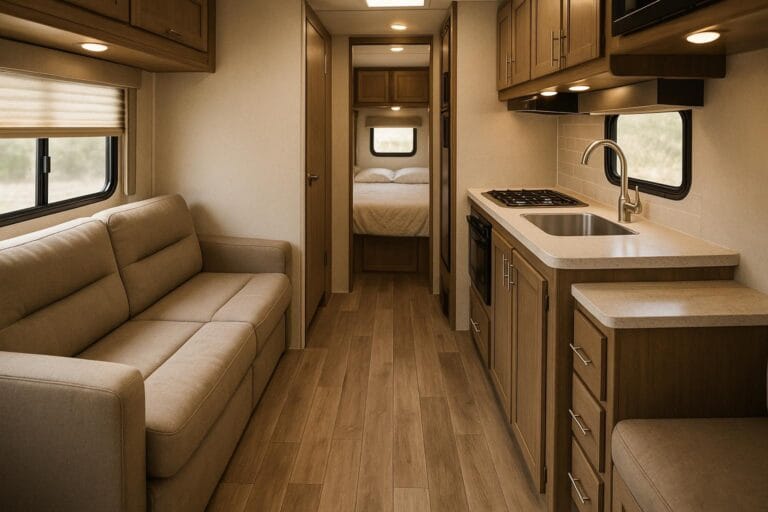
- Plumbing: test taps, shower, toilet, and water pump for leaks or weak pressure
- Appliances: refrigerator, stove, microwave, and water heater operation
- Furnace and air conditioner: listen for odd noises and test cooling/heating
- CO detectors and smoke alarms: verify fresh batteries and proper placement
Bring a flashlight to view cabinet backs, plumbing lines, and access panels. A few quick questions to the seller can reveal service history, maintenance gaps, and recent repairs.
Systems and mechanicals (30–60 minutes)
- Generator hours and starting reliability (if applicable)
- Engine or drivetrain condition in motorhomes or towables
- Brakes, suspension, and steering feel during a short drive
- Propane system, water pump, and electrical system charging
Keep an eye on unusual smells, excessive heat, or warning lights on the dash. If the unit has slide-outs or leveling jacks, test them carefully for smooth operation without sticking or leaks.
Test drive and driving feel (60–90 minutes)
Take the unit on a familiar route that includes city streets and a highway on-ramp if possible. Listen for rattles, hums, or wind noise, and watch how it tracks on the road. Shift, brake, and accelerate smoothly, and note any handling oddities that could signal suspension or alignment issues.
If something feels off, don’t rush a decision. A cautious approach today can save thousands later. For more perspective on buying decisions, see our guide on New or Pre-Owned to understand how to evaluate used options against price and repairs.
When to walk away and what to ask
- Major corrosion, roof delamination, or widespread soft spots are red flags.
- Unexpected rust around structural components or frame issues should trigger a second opinion.
- Ask about maintenance records, previous collisions, water intrusion history, and recent repairs.
Always ask open-ended questions and note the seller’s transparency. If a lot needs work, re-check the numbers: cost of repairs versus the sale price. For a broader buying checklist, visit our in-person RV shopping checklist.
Putting it all together
With 90 minutes, you can feel confident about a camp-ready purchase or identify issues before they derail your budget. Take photos, keep a log, and compare notes with your partner or family. A slow-travel mindset helps you balance adventure and responsibility as you plan your next road trip.