The 7-Point In-Person RV Shopping Checklist for First-Timers on a Budget
A practical checklist for first-time RV buyers on a budget
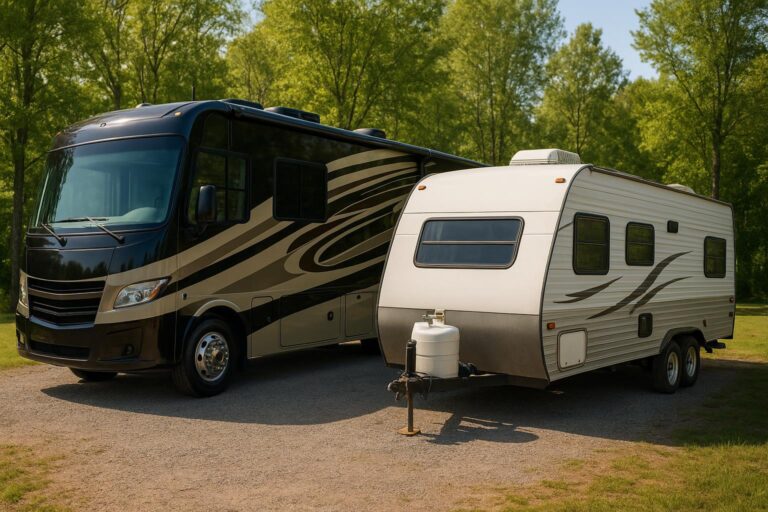
Buying your first RV on a budget doesn’t have to be overwhelming. This seven-point, in-person checklist helps you compare options confidently, yardstick-style, so you walk away with the best value for your family or solo trips. If you’re deciding between new and preowned RV buying guide, you’ll have a quick reference for common tradeoffs.
Floorplans and space fit
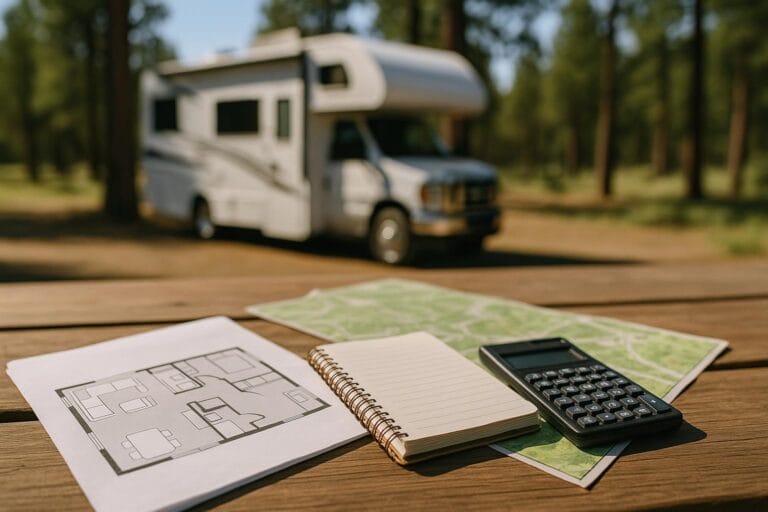
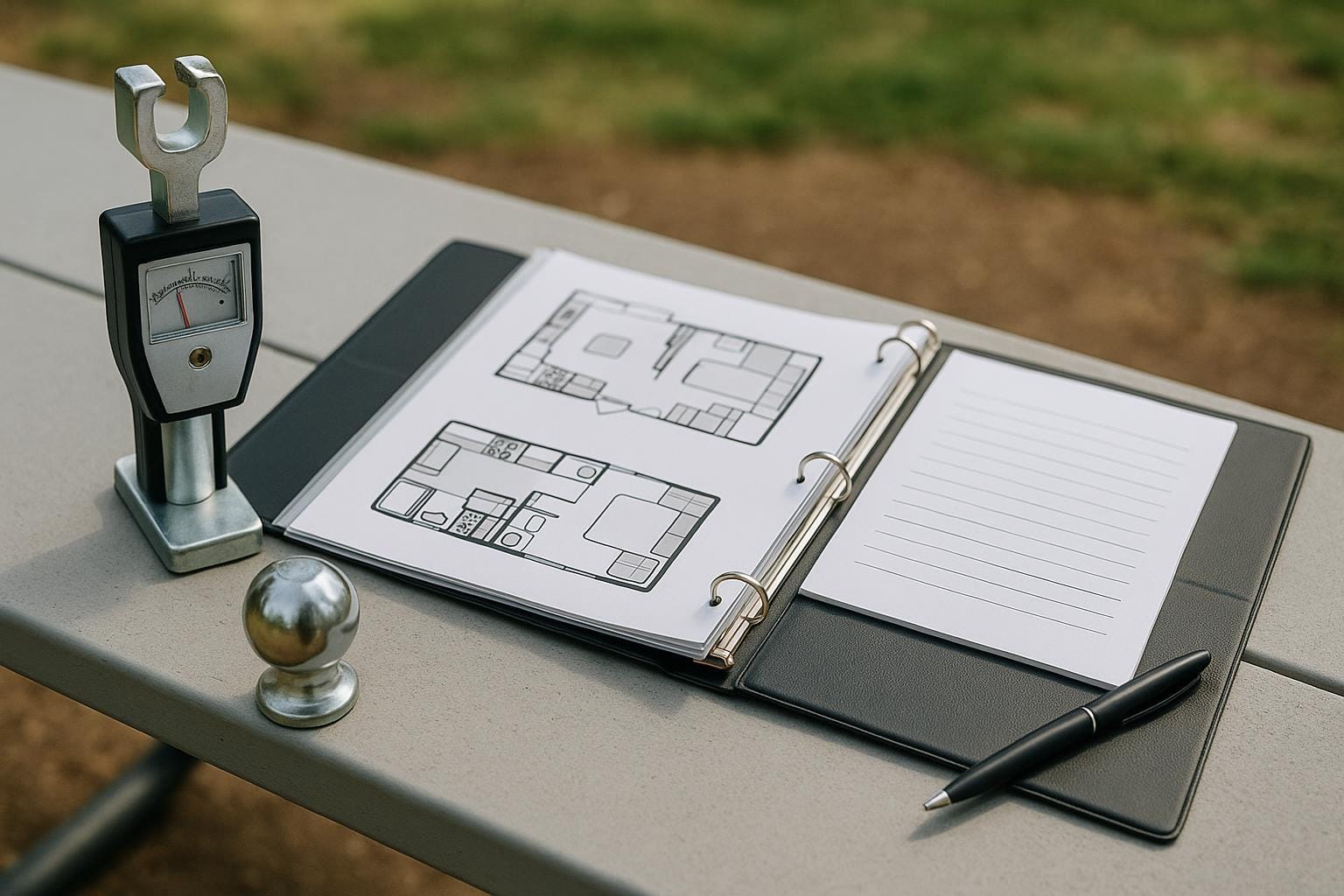
Assess whether the floorplan matches how you travel. For families or full-timers, consider walk-around beds, extra sleeping options, storage, and chair space for socializing. If you’re comparing two models, print both floorplans and lay them side by side to compare total length, slip zones, and the width of the kitchen aisles. A quick trick is to measure your most-used gear (camp chairs, portable grill, extra cooler) and see whether it fits in the living area without feeling cramped. If you’re new to RV layouts, look for layouts that allow easy flow between the kitchen and living area, and for inspiration see RV-friendly national parks.
Weight and hitch compatibility
Weight is critical for safety and efficiency. Check GVWR and the hitch rating for the trailer you’re considering. Use a portable scale to estimate loaded weight with your gear, then verify that your tow vehicle and hitch can handle tongue weight and gross weights. If your option is a heavier unit, plan for a vehicle with adequate payload and braking. Compare a few models to see how much extra vehicle you’d need to stay in safe limits.
Appliances and systems
Turn on appliances one by one and listen for odd noises. Check the fridge, water heater, furnace, AC, and thermostat. Look for signs of leaks, cold spots in the fridge, or electrical flickers when plugging into shore power. Ask about battery capacity, propane versus electric operation, inverter size, and whether the unit uses residential or RV appliances. If the RV has had recent upgrades or warranties on major systems, ask for documentation and dates.
Warranty coverage
Understand what the warranty covers and its duration. Some units include transferable dealer warranties, while others rely on manufacturer coverage. Note what components are included, and whether service work is available near your home base. For used RVs, check transfer requirements and confirm any maintenance needed to maintain warranty eligibility.
Service history and maintenance records
Ask for service records, recalls, and any major repairs. A clean maintenance log can tell you how well the RV was cared for and predict future costs. If records are missing, consider a pre-purchase inspection by a qualified RV tech to uncover potential issues before you buy.
Test-drive protocol
Plan a structured test drive that mirrors real-life use. Start in a parking lot to check turning radius, lane tracking, and overall maneuverability. Then take highway speeds, hills, and curves to observe how it handles at speed. Inspect slide-outs, stabilizers, and storage access, and watch for noises, smells, or vibrations that signal trouble. If you can, bring along a friend who understands RVs to help you spot potential issues.
Price, value, and budget planning
Set a max price and calculate total cost of ownership, including financing, insurance, maintenance, and anticipated upgrades. When evaluating a used unit, look for recent maintenance and a clear history, and apply a safety margin for future repairs. For added confidence, research nearby dealers to compare trade-in values and what constitutes a fair deal. For practical off-grid budgeting and budget-friendly tips, read RV Boondocking 101.