How to Plan an Epic Europe RV Road Trip: Routes, Rules, and Campsite Tips
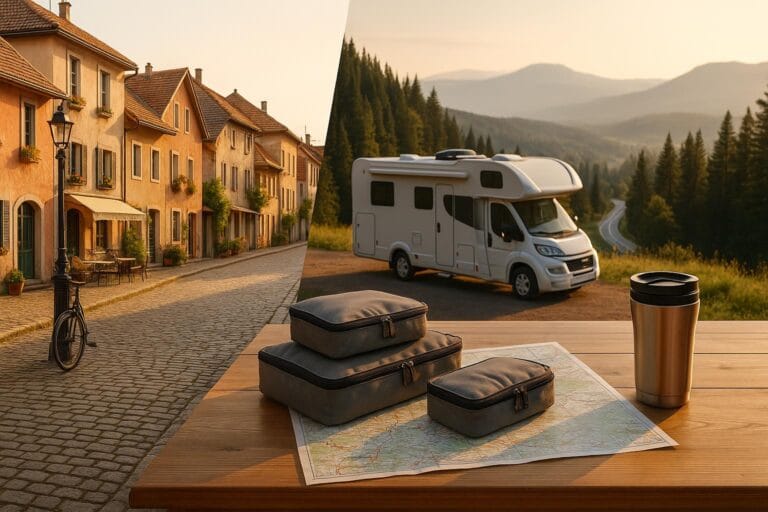
Few travel experiences match the freedom of a Europe RV road trip. Wake up by alpine lakes, wander medieval lanes at lunch, and fall asleep to Atlantic surf. With well-kept roads, dense cultural variety, and an extensive network of motorhome-friendly stops, Europe is tailor-made for campervan and motorhome travel. This guide walks you through routes, rules, campsite types, budgeting, and the essential gear and apps that make a rolling European adventure smooth and unforgettable.
Why take an RV across Europe
Traveling by campervan or motorhome in Europe puts you in charge of pace and place. No rigid hotel check-ins, no packing and unpacking every night, and your kitchen and bed travel with you. For families, couples, or digital nomads, it is an efficient, budget-flexible way to see multiple countries in a single trip.
- Unmatched flexibility: linger when the sun shines, move on when the forecast turns.
- Cost control: cook your own meals, choose budget-friendly aires or stellplatz, and travel in shoulder seasons.
- Easy access to nature: many campgrounds sit beside lakes, beaches, vineyards, and national parks.
- Community: RV travel across Europe has a welcoming, experienced community and countless resources.
Choosing the right campervan or motorhome
There is a rig for every route and travel style. Start by weighing space, maneuverability, and comfort against the kinds of roads and cities you plan to explore.
- Campervan (Class B): compact, stealthy, ideal for cities, mountain passes, and narrow village streets. Limited interior space and storage.
- Compact motorhome (Class C/semi-integrated): a sweet spot for comfort and drivability. Better storage, showers, and fixed beds without being too big.
- Large motorhome (A-class or overcab): maximum comfort and storage; best for long stays at campgrounds and wider roads. Less ideal for old city centers.
If you are flying in, look at campervan hire or motorhome rental in Europe. Major hubs like Germany, Spain, Portugal, France, and Iceland offer a broad range of vehicles. When comparing rentals, consider:
- Transmission: manuals are common; automatics are scarcer and pricier.
- Inclusions: check what comes with kitchen kits, bedding, outdoor chairs, media, mileage, and additional drivers.
- Winterization: if traveling in colder months, confirm heating type, insulation, and winter tires.
- Power setup: understand 12V versus 230V, battery capacity, solar, and whether an inverter is included.
Licenses, documents, and road rules you need to know
Rules vary by country, but a few essentials apply across much of Europe. Always verify current regulations before you go.
- Driver license: a standard license is sufficient for most rentals under 3.5 tons. If your license is not in a European language, many countries recommend or require an IDP.
- Insurance: ensure third-party liability and collision damage waivers are in place. Ask for a green card if your route crosses non-Schengen borders.
- Environmental zones: cities like Paris, Milan, and Berlin use LEZ or ULEZ systems (e.g., Crit’Air, Umweltplakette). Obtain required stickers or register in advance.
- Tolls and vignettes: some nations use vignettes (Austria, Switzerland, Slovenia), others toll booths (Italy, France, Spain, Croatia), and a few electronic transponders or registration (Portugal). Save receipts and keep vignettes visible on the windshield.
- Speed limits and alcohol limits: speed varies by vehicle weight and road type, and legal blood alcohol limits are often lower than in North America. When in doubt, slow down and do not drink and drive.
- Winter rules: in mountainous regions and parts of Germany, Austria, Switzerland, Italy, and the Nordics, winter tires and sometimes snow chains are required in season.
Where to stay: campsites, aires, and when wild camping is allowed
One of Europe’s RV superpowers is the variety of places to overnight. Understanding your options helps you balance convenience, comfort, and cost.
- Campgrounds and holiday parks: full-service sites with electric hookups, showers, laundry, and often pools and playgrounds. Reserve in high season near hot spots like the Amalfi Coast or the French Riviera.
- Aires and stellplatz (also sostas in Italy): dedicated motorhome stopovers with simple services like fresh water, dump stations, and electricity. They are inexpensive, convenient for one-night stays, and common across France, Germany, Spain, and Italy.
- Farm stays and vineyards: France Passion, Portugal EasyCamp, and similar networks let self-contained RVs park at farms or wineries, typically with an expectation of a small purchase or fee.
- Wild camping: rules vary. Generally tolerated in Norway, Sweden, and parts of Scotland with caveats and leave-no-trace principles; restricted or prohibited in many parts of Spain, Portugal, and Italy. Always check local signage and municipal rules.
Pro tips for campsite life:
- Carry a blue CEE plug and a 25–30 meter extension cable; not every pitch sits next to the power post.
- Practice dump station etiquette: empty the cassette toilet at designated points only, and never dump gray water onto the ground.
- Arrive before dusk to choose a level pitch, confirm power, and avoid disturbing neighbors.
Three flexible Europe RV routes to inspire your itinerary
1) Atlantic coast wander: Porto to the Algarve (10–12 days)
Ideal for shoulder season, this Portugal route blends surf towns, tiled cities, and seafood markets. Fly into Porto and head south via Aveiro’s canals and Nazaré’s lookout. Between Lisbon and Sétubal, camp near dramatic cliffs and Arrábida’s turquoise coves. Continue to the Alentejo for quiet beaches at Vila Nova de Milfontes and Zambujeira do Mar, then finish on the Algarve’s west coast for sunsets over jagged sea stacks. Expect tolls on the A-routes; consider the slower N-roads for coastal scenery.
2) Alpine loop: Bavaria, Tyrol, the Dolomites, and Slovenia (12–14 days)
This circuit stitches together storybook towns and epic mountain passes. Start in Munich or Salzburg, then zigzag past Germany’s lakes into Austria’s Tyrol. Cross to Italy’s Dolomites for via ferrata adventures and rifugio lunches. Swing through South Tyrol’s vineyards and into Slovenia’s Lake Bled and the Soča Valley before returning via Villach. Reserve alpine campsites in high season, and check passes for vehicle length limits and potential closures after early snow.
3) Nordic nature route: Stockholm to Norway’s fjords (14–16 days)
Thread Swedish forests and lakes to Oslo, then west to fjords like Geiranger and Sognefjord. Campsites are pristine, hiking is world-class, and summer days are long. Budget for ferries and scenic toll roads, and confirm if your vehicle requires emissions registration. In the shoulder months, verify winter tire and chain requirements at higher elevations.
Budget, fuel, and when to go
Your Europe RV budget flexes according to season, route, and camping style. Here is how to think about the major costs.
- Rental: campervans and compact motorhomes often start from mid-range daily rates in shoulder season and can double in July and August.
- Fuel: diesel is common; costs vary by country. Plan your route to refuel where prices are lower and avoid motorway service premiums when possible.
- Campsites: aires and stellplatz can be low-cost or even free; holiday parks range more widely depending on amenities and location. An ACSI CampingCard can unlock discounts in low season.
- Tolls and vignettes: add these to your daily driving budget. Sometimes a slower, scenic route saves both money and stress.
- Ferries and city parking: factor in if your route includes islands, fjords, or popular historic centers.
When to go:
- Spring (April–June): blossoms, fewer crowds, and longer days. Mountain passes may still have snow at the start of the season.
- Summer (July–August): festivals, warm beaches, and full campground services. Book early in tourist hot spots and alpine regions.
- Autumn (September–October): grape harvests, golden forests, and mild weather. Great for Portugal, Spain, and the Balkans.
- Winter (November–March): Christmas markets and auroras in the north. Choose winterized rigs and confirm campsite openings.
Essential gear and apps for smooth motorhome travel
Pack light but smart. A few items and apps make Europe RV travel more comfortable and efficient.
- Power and water: blue CEE plug, household adapter, long extension cable, hose with multiple tap connectors, collapsible bucket, and water filter if you prefer.
- Leveling and comfort: leveling ramps, wheel chocks, rubber gloves, microfiber towels, and a compact toolkit.
- Kitchen and outdoor: a lidded pan for odor control, lightweight table and chairs, and a drying line for swimsuits.
- Gas and heating: if using LPG, check connector compatibility and refill options; Campingaz is widely available for smaller stoves.
- Navigation and planning: Google Maps offline areas, Maps.me, and ViaMichelin for toll estimates. Apps like Park4Night, Campercontact, and ACSI help find aires and campgrounds with user reviews. For hiking, AllTrails; for weather, Windy or Yr.
- Payments and language: a no-foreign-fee card, small coins for some aires, a translation app, and a basic set of phrases in the local language.
Key Takeaways
- Match your rig to your route: smaller vans shine in old towns; larger motorhomes win on comfort and storage.
- Know the rules: plan for LEZ registrations, tolls or vignettes, and winter requirements on alpine routes.
- Stay options abound: mix full-service campgrounds with budget-friendly aires or stellplatz for convenience and savings.
- Travel smarter: use planning apps, shoulder-season timing, and discount cards to stretch your budget and avoid crowds.
Conclusion
From vineyard-lined backroads to glacier-carved valleys, a Europe RV road trip turns the journey into the destination. With the right vehicle, a handle on local rules, a flexible plan, and a few trusty apps, you will be free to chase views, markets, and moments that do not fit neatly into timetables. Start with a route that excites you, book a couple of strategic stays, and leave space for serendipity. The open road is waiting.