Blue Ridge Parkway Fall Colors: Best RV Stops & Perfect Timing
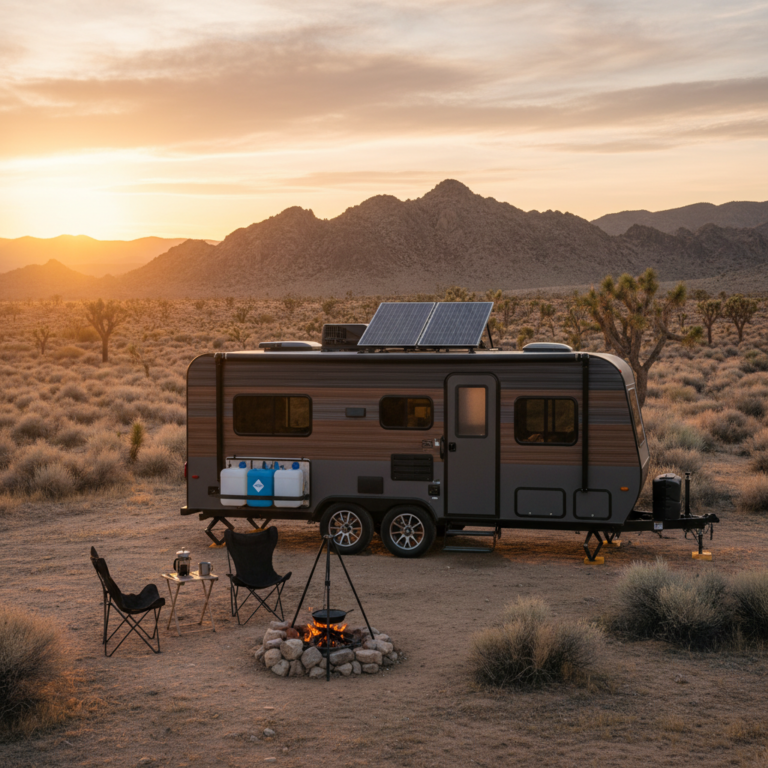
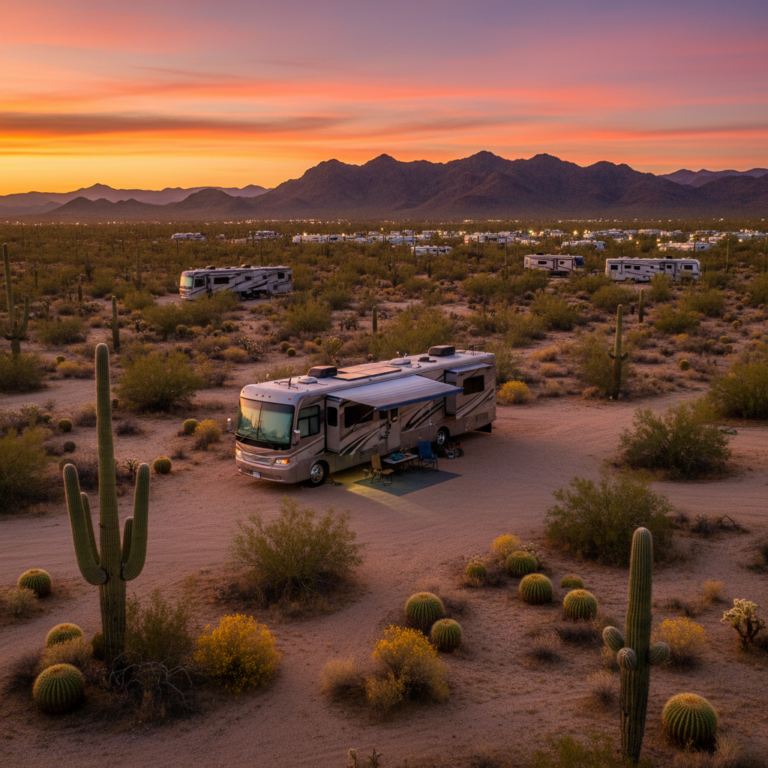
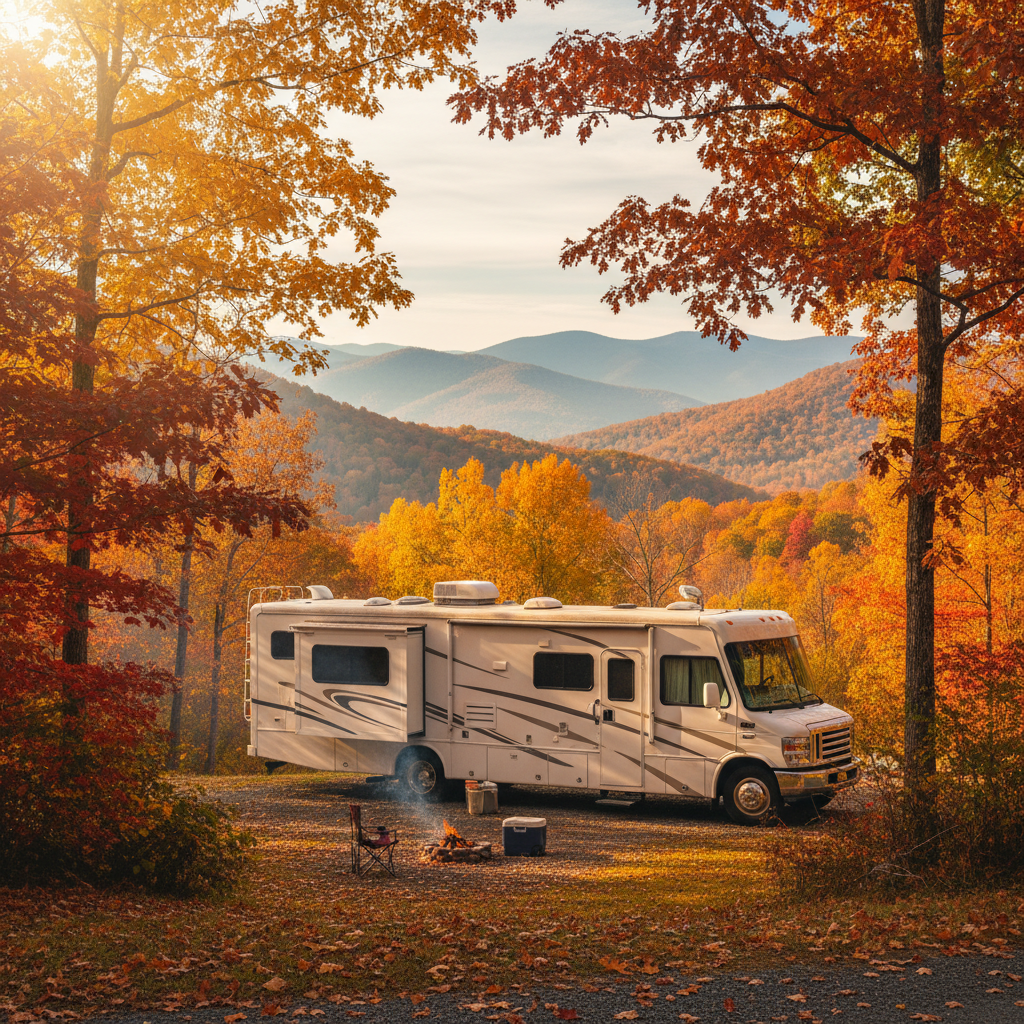
The Blue Ridge Parkway fall colors transformed our October drive into something straight out of a postcard. After months of desert camping from Quartzsite to Death Valley, we were ready for autumn’s grand finale. What we discovered along America’s favorite parkway wasn’t just spectacular scenery – it was a masterclass in timing, elevation, and finding the perfect spots to park our home on wheels.
We’d been planning this trip since our early days on the road, dreaming of mornings where we’d wake up surrounded by golden maples and crimson oaks. The reality exceeded every expectation.
Timing Your Blue Ridge Parkway Fall Colors Adventure
Here’s what three years of RV life taught us: timing is everything when chasing fall colors. The Blue Ridge Parkway stretches 469 miles from Virginia to North Carolina, and peak colors don’t happen everywhere at once.
We hit the sweet spot in mid-October. Starting at Shenandoah’s southern entrance, the higher elevations were already showing off their amber and rust displays. Meanwhile, lower elevations around Asheville were just beginning their transformation.
The trick is understanding elevation. Colors typically peak first above 4,000 feet, usually between October 1-15. Mid-elevations (2,000-4,000 feet) hit their stride from October 10-25. Lower elevations and valleys follow suit through early November.
We learned this the hard way during our first attempt. Arriving too early meant green leaves with hints of color. Too late, and you’re looking at bare branches against gray skies.
Reading the Color Reports Like Pros
The National Park Service updates fall foliage reports weekly from late September through November. These became our bible. But here’s the insider secret: call the visitor centers directly. Rangers see the colors daily and give you the real scoop.
Weather apps became our second best friend. A few cold nights in the forecast? Colors would pop within days. Warm weather extending? You might have extra time to reach those perfect spots.
Best RV-Friendly Campgrounds for Fall Colors
Not every campground can handle big rigs, and some of the most scenic spots have restrictions that’ll leave you scrambling. After navigating the parkway in our 32-foot motorhome, here are our tested favorites.
Peaks of Otter Campground, Virginia
This gem sits at milepost 86, right in the heart of Virginia’s Blue Ridge. The campground accommodates RVs up to 30 feet, though a few sites can squeeze in something bigger with careful maneuvering.
What makes this place special? You’re literally surrounded by the show. Sharp Top Mountain rises directly behind the campground, creating a natural amphitheater of color. Morning coffee watching the sunrise paint those peaks orange and gold? Pure magic.
The lake adds another dimension. Colors reflect off the water, doubling the visual impact. We spent an entire afternoon just sitting lakeside, watching the light change throughout the day.
Crabtree Meadows Campground, North Carolina
Located at milepost 339.5, Crabtree Meadows offers 71 sites that can handle RVs up to 30 feet. The elevation here – around 3,700 feet – means you’re right in the color zone during peak season.
The real treasure is the meadow itself. Imagine waking up to fog rolling through a valley painted in every shade of autumn. The contrast between the open meadow and surrounding forested ridges creates layers of color that seem almost artificial in their perfection.
We hiked the short trail to Crabtree Falls from here. The waterfall framed by autumn colors made for postcard-worthy photos, but more importantly, it felt like we’d discovered our own secret paradise.
Mount Craig Campground, North Carolina
This smaller campground at milepost 344.1 only has 24 sites, but what it lacks in size, it makes up for in location. You’re camping near some of the highest peaks in North Carolina, where colors peak earliest and most dramatically.
The sites are tight – think 25 feet maximum – but if you can fit, you’re rewarded with morning views that’ll spoil you for every other camping experience. The mountain laurel and rhododendron create natural privacy screens, making each site feel secluded despite the compact layout.
Scenic Blue Ridge Parkway Fall Colors Route Strategy
We learned that driving the entire parkway in one trip is possible but exhausting. Instead, we broke it into segments, spending 3-4 days in each area. This let us truly experience the colors rather than just drive past them.
Northern Segment: Shenandoah to Roanoke
This 120-mile stretch offers gentle curves and manageable grades for RVs. The Humpback Rocks area around milepost 5.8 provides stunning views without requiring extreme elevation changes.
We particularly loved the stretch around milepost 60-80. The road follows ridgelines where you’re looking down into valleys painted in autumn colors. It’s like flying over a landscape that’s been touched by an artist’s brush.
Pro tip: Fill up in Waynesboro before entering the parkway. Gas stations are sparse, and the last thing you want is range anxiety when you’re focused on soaking in the scenery.
Central Segment: Roanoke to Boone
This 120-mile section includes some of the parkway’s most dramatic elevation changes. The approach to Grandfather Mountain will test your RV’s climbing ability, but the payoff is worth every labored breath your engine takes.
Around milepost 300, we encountered our most memorable moment of the entire trip. The road crests a ridge, and suddenly you’re looking out over layer upon layer of mountains, each painted in different shades of autumn. It’s the kind of view that makes you pull over, step outside, and just breathe.
Southern Segment: Boone to Great Smoky Mountains
The final 130 miles bring you into some of the most challenging but rewarding terrain. Grades get steeper, curves get tighter, but the colors reach their most intense.
Near milepost 400, you’re driving through tunnels of color. Overhanging branches create natural arches painted in gold, orange, and red. It’s almost overwhelming in the best possible way.
What Makes Blue Ridge Parkway Fall Colors Special
After chasing autumn colors across the country, we can say definitively that the Blue Ridge Parkway fall colors experience stands apart. It’s not just the diversity of trees – though having over 100 tree species creates an unmatched palette.
It’s the combination of elements that creates magic. Morning fog rolling through valleys. Afternoon light filtering through colored canopies. Evening alpenglow painting distant peaks pink while foreground trees glow gold.
The elevation changes mean you experience different seasons simultaneously. Valley floors might still show summer green while ridgetops display full autumn glory. It’s like driving through time itself.
Beyond the Obvious Colors
Everyone talks about maples and oaks, but the subtle players deserve recognition too. Sourwood trees turn deep burgundy. Hickories add buttery yellow highlights. Dogwoods contribute deep red accents that pop against the broader canvas.
We started noticing these details only after slowing down. When you’re not rushing to cover miles, you begin seeing individual trees as characters in a larger story.
Practical RV Tips for the Blue Ridge Parkway
Let’s talk reality for a minute. The Blue Ridge Parkway wasn’t designed with RVs in mind. Most bridges date from the 1930s-1950s, built for much smaller vehicles.
Length matters more than height. While clearances are generally adequate for standard RV heights, length restrictions at campgrounds and tight curves can challenge longer rigs. We found 30 feet to be the practical maximum for comfortable navigation.
Speed limits max out at 45 mph, often less. Plan for slow going, especially during peak color season when traffic increases dramatically. What looks like a 4-hour drive on paper easily becomes 6-7 hours in reality.
Managing the Crowds
Peak weekends bring enormous crowds. We learned to start early – on the road by 7 AM – and take longer lunch breaks when traffic peaked. Early morning light on fall colors is spectacular anyway, so this strategy served double duty.
Weekdays, even during peak season, offer dramatically different experiences. What feels like Times Square on Saturday becomes peaceful and contemplative on Tuesday.
Making Memories Beyond the Colors
The Blue Ridge Parkway fall colors drew us in, but the complete experience kept us coming back. Local apple orchards offer fresh cider and the kind of homemade donuts that spoil you for grocery store versions.
Small mountain towns along the route maintain authentic character that feels increasingly rare. We discovered craftspeople creating pottery, woodwork, and textiles using techniques passed down through generations.
Evening campfires took on special meaning surrounded by autumn colors. There’s something about wood smoke and cool mountain air that makes every conversation deeper, every star brighter.
The Sounds of Autumn
Visual beauty gets all the attention, but the Blue Ridge Parkway fall colors experience engages every sense. Leaves rustling in mountain breezes create nature’s own symphony. Streams running higher after autumn rains add percussion.
The smell of decomposing leaves mingles with wood smoke from nearby cabins. Cool, crisp air carries scents more clearly, making even familiar aromas seem more vivid.
Planning Your Own Blue Ridge Parkway Adventure
Start planning early. Popular campgrounds fill up months in advance for peak color season. Make reservations as soon as they become available, typically 6 months out.
Build flexibility into your schedule. Weather can shift color timing by a week or more. Having moveable dates lets you adjust for optimal timing.
Consider shoulder seasons too. Late September offers good colors at higher elevations with smaller crowds. Early November can surprise you with extended color in protected valleys.
Most importantly, plan for the unexpected. Some of our best memories came from unplanned stops, chance conversations with locals, and spontaneous detours down side roads.
Final Thoughts on Chasing Autumn
The Blue Ridge Parkway fall colors represent more than just a scenic drive. They remind us why we chose this lifestyle. When you can wake up in a different spectacular location every few days, ordinary becomes extraordinary.
Sure, the logistics require planning. The crowds test patience. The weather doesn’t always cooperate. But sitting around our campfire, surrounded by nature’s most spectacular light show, every challenge becomes part of the adventure story.
That’s what full-time RV life really offers – not just the ability to see beautiful places, but the time to truly experience them. The Blue Ridge Parkway fall colors gave us both the destination and the journey. What more could you ask for?