RV Weight Distribution: Get Your Tow Setup Right
Picture this: You’re cruising down a beautiful mountain highway, feeling pretty good about your RV setup, when suddenly your trailer starts swaying like a fish tail behind you. Your knuckles go white on the steering wheel, and you realize you’re in one of those “learning moments” that nobody wants to experience firsthand. That’s exactly what happened to us on our first major trip through Colorado, and it’s when we discovered that weight distribution hitches aren’t just fancy accessories – they’re essential safety equipment.
After that white-knuckle experience, we dove deep into understanding tongue weight, hitch adjustments, and all the warning signs that tell you when something’s not right with your tow setup. Let me share what we’ve learned, because getting your weight distribution right isn’t just about comfort – it’s about keeping you and everyone else on the road safe.
Why Weight Distribution Matters More Than You Think
When we first started RVing, we figured that as long as our truck could pull the weight, we were good to go. Boy, were we wrong. The problem isn’t just about raw pulling power – it’s about how that weight affects your entire vehicle’s handling and stability.
Think about it this way: when you hitch up a heavy trailer, all that tongue weight pushes down on your truck’s rear axle. This lifts weight off your front wheels, which are responsible for steering and braking. Suddenly, your truck handles like a shopping cart with a wobbly wheel, and that’s a recipe for disaster on winding mountain roads.
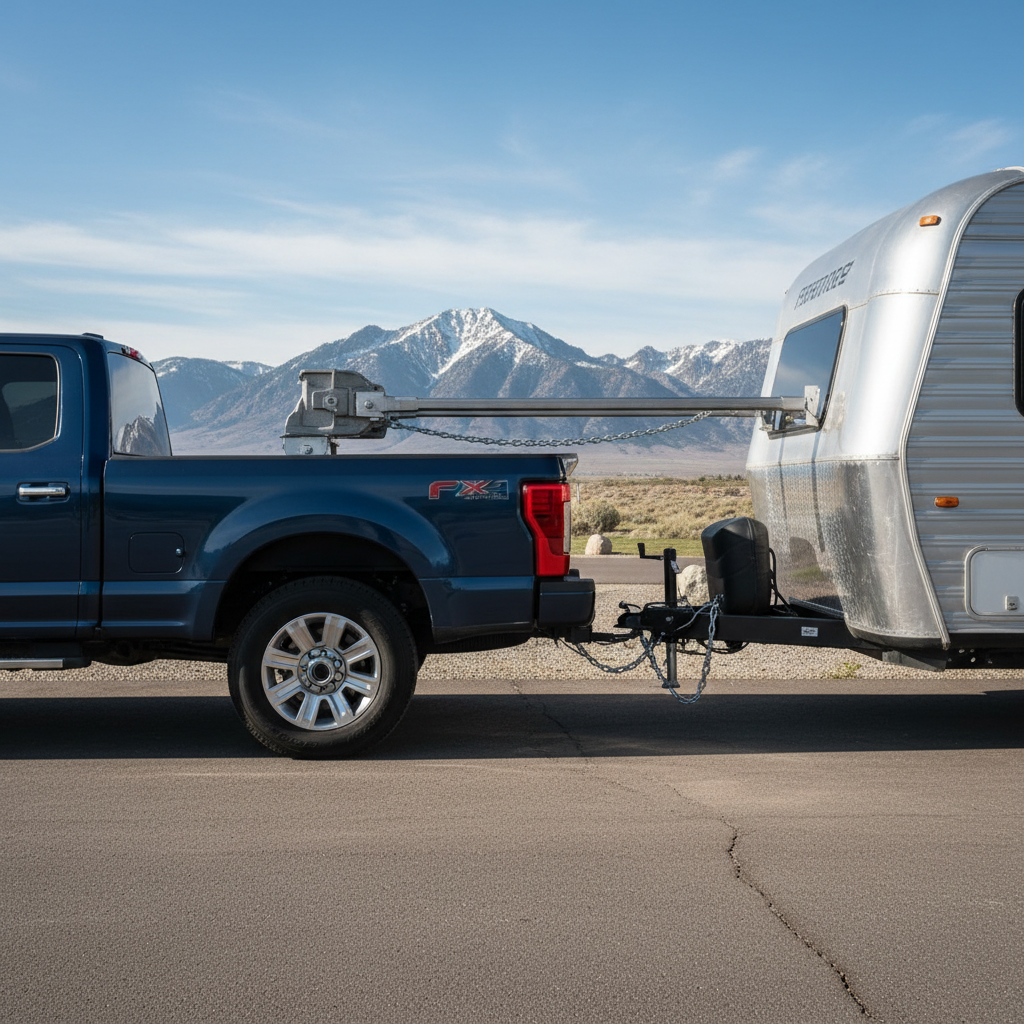
A proper weight distribution system redistributes some of that tongue weight forward, putting your front wheels back in contact with the pavement where they belong. It’s not magic – it’s physics working in your favor.
The Real-World Consequences
Here’s what we noticed before we got our setup dialed in:
Our headlights pointed skyward like we were trying to signal aircraft. The truck’s rear end sagged noticeably. Steering felt loose and vague, especially at highway speeds. During that infamous Colorado descent, our trailer developed a mind of its own, swaying back and forth despite calm weather conditions.
These aren’t just comfort issues – they’re safety red flags that demand immediate attention. Just like we learned about RV awning maintenance the hard way, some lessons are better learned from others’ mistakes than your own experience.
Calculating Your Tongue Weight Distribution Needs
Before you can fix the problem, you need to understand what you’re working with. Tongue weight should typically run between 10-15% of your trailer’s gross weight. For a 6,000-pound trailer, that’s 600-900 pounds pressing down on your hitch.
But here’s the thing – you can’t just go by the manufacturer’s dry weight. You need to know your actual loaded weight, including all your gear, water, food, and personal belongings. We learned this lesson after our first big grocery run when we realized how much our RV kitchen essentials actually weighed.
Getting Accurate Weight Measurements
The most reliable way to measure tongue weight is with a proper tongue weight scale, but there’s also a simple truck scale method that works well. Load up your RV exactly as you’ll travel, then weigh your truck and trailer separately at a certified scale.
First, weigh just your truck. Then hook up the trailer and weigh the combination on the truck’s front and rear axles separately. The difference in rear axle weight is your tongue weight. This method gives you real-world numbers you can actually use.
Don’t forget that weight distribution changes as you load and unload. That case of water bottles you picked up, the extra gear for extended boondocking – it all affects your setup. Make it a habit to reassess your weight distribution whenever you make significant changes to your load.
Setting Up Your Weight Distribution System
Now comes the hands-on part. Installing and adjusting a weight distribution hitch might seem intimidating at first, but it’s actually pretty straightforward once you understand the basics. The key is taking your time and making incremental adjustments.
Start with your truck and trailer loaded and ready to travel, parked on level ground. Measure the height at several points: both front fender wells on your truck, both rear fender wells, and a reference point on your trailer. Write these numbers down – they’re your baseline for getting everything level again.
Installing the Spring Bars
This is where the real work begins. The spring bars are what actually redistribute the weight, and getting their tension right is crucial. Start with the bars loose and gradually increase tension by moving the chains to higher links.
The goal is to restore your truck’s front-to-rear weight distribution to where it was without the trailer. When you’ve got it right, those fender well measurements should be very close to your unloaded truck measurements. Your headlights will point where they’re supposed to, and steering will feel normal again.
Don’t try to eliminate every bit of rear end sag – you need some tongue weight for stability. But you should be able to restore most of your truck’s original stance. If you’re fighting to get enough adjustment, you might need heavier spring bars or a different weight distribution head.
Red Flags That Signal Problems
Even with a properly set up weight distribution system, things can go wrong. Weather, road conditions, and changes in your load can all affect your setup. Here are the warning signs we’ve learned to watch for:
Trailer sway is the big one – any side-to-side motion that feels like it’s building or getting worse needs immediate attention. This might show up as gentle swaying that gradually increases, or sudden sharp movements when passed by large vehicles or hit by crosswinds.
Handling and Performance Issues
Your truck will tell you when something’s not right. Steering that feels loose or requires constant correction is a dead giveaway. If your truck wanders in its lane or feels unstable at highway speeds, your weight distribution needs attention.
Watch for changes in braking performance too. If your stopping distances increase noticeably, or if the truck feels like it wants to jackknife under heavy braking, you’ve got weight distribution issues. The same goes for uphill performance – if your truck struggles more than usual on grades, check your setup.
Don’t ignore tire wear patterns either. Uneven wear on your truck’s front tires often indicates that weight distribution has changed. Just like with propane system maintenance, regular inspection prevents bigger problems down the road.
Fine-Tuning for Different Conditions
Once you’ve got your basic setup dialed in, you’ll discover that different conditions require small adjustments. Mountain driving, crosswinds, and varying loads all affect how your rig behaves.
For mountain descents, consider adding a bit more spring bar tension. The extra weight transfer to your front wheels improves steering control and braking performance on long downhill grades. We learned this after our Colorado experience – a small adjustment made a huge difference in confidence and control.
Seasonal and Load Adjustments
Your weight distribution needs change throughout the year. Winter travel means extra gear, more food storage, and possibly full fresh water tanks for extended stays. Summer might mean less gear but more outdoor equipment and toys.
Keep notes about what works in different situations. We maintain a simple log of our spring bar settings for different types of trips. Quick weekend getaways need less adjustment than month-long adventures with full water tanks and extended supplies.
Remember that air pressure affects everything too. Hot weather increases tire pressure, while cold weather drops it. Both can affect your truck’s stance and your weight distribution effectiveness. Make pressure checks part of your pre-trip routine.
When to Consider Professional Help
Sometimes, despite your best efforts, you can’t get your weight distribution setup to work properly. This might be due to truck and trailer compatibility issues, or perhaps you need different equipment altogether.
If you’re consistently fighting trailer sway despite proper setup, or if you can’t achieve reasonable weight distribution with maximum spring bar tension, it’s time to consult a professional. A good RV dealer or hitch specialist can evaluate your entire setup and recommend solutions.
Don’t be afraid to upgrade your equipment if needed. We started with a basic weight distribution hitch but eventually moved to an integrated sway control system. The improvement in confidence and handling was worth every penny, especially when traveling through areas with challenging weather or terrain.
Equipment Upgrades Worth Considering
Modern weight distribution systems offer features that weren’t available just a few years ago. Integrated sway control eliminates the need for separate friction or electronic sway control devices. Some systems include built-in surge brakes for trailers that don’t have electric brakes.
If you’re planning serious mountain travel or dealing with frequent crosswinds, consider investing in a higher-end system. The peace of mind and improved handling make challenging drives much more enjoyable. Think of it as essential safety equipment, not an optional upgrade.
Maintenance and Long-Term Care
Like any mechanical system, your weight distribution setup needs regular attention. Spring bars can develop stress fractures over time, especially if they’re consistently overloaded. Hitch heads need occasional lubrication, and all the bolts and connections should be checked periodically.
We make hitch inspection part of our regular maintenance routine. Check for any signs of wear, corrosion, or damage before each trip. Pay special attention to the areas where spring bars attach – these see the highest stress and are most likely to develop problems.
Keep spare parts on hand for critical components. A broken spring bar or damaged chain can end your trip, so carrying spares makes sense for extended travel. Most components are available at RV dealers, but having them with you beats waiting for parts in unfamiliar territory.
Getting It Right Makes All the Difference
Looking back on that scary mountain descent in Colorado, I’m grateful it happened early in our RV journey. It forced us to really understand our towing setup instead of just hoping for the best. The confidence that comes from knowing your weight distribution is properly adjusted transforms your entire RVing experience.
Take the time to understand your system, make careful adjustments, and don’t ignore the warning signs when something’s not right. Your safety and enjoyment on the road depend on getting these fundamentals right. Trust me – the peace of mind that comes from a properly balanced rig is worth every minute you spend setting it up correctly.
Safe travels out there, and remember: when in doubt, slow down and reassess. There’s no shame in pulling over to check your setup or make adjustments. Better to arrive a little late than not at all.