Find Your RV Fit
A Lifestyle Questionnaire to Pick the Right Floorplan and Size for Slow-Paced Travel
Choosing the right RV for slow-paced travel is a personal journey. If you’re in the 50+ crowd or simply crave a calmer pace, your daily routines should guide the size, layout, and sleeping setup that works best on the road. This lifestyle questionnaire translates your everyday steps into measurable space needs, so you can narrow floorplans without guessing from brochure photos.
How this questionnaire works: We’ve crafted a concise set of questions that map your habits to RV features. Answer honestly, and use the quick decision guide at the end to pick a few floorplan options that fit your real life, not just a glossy brochure.
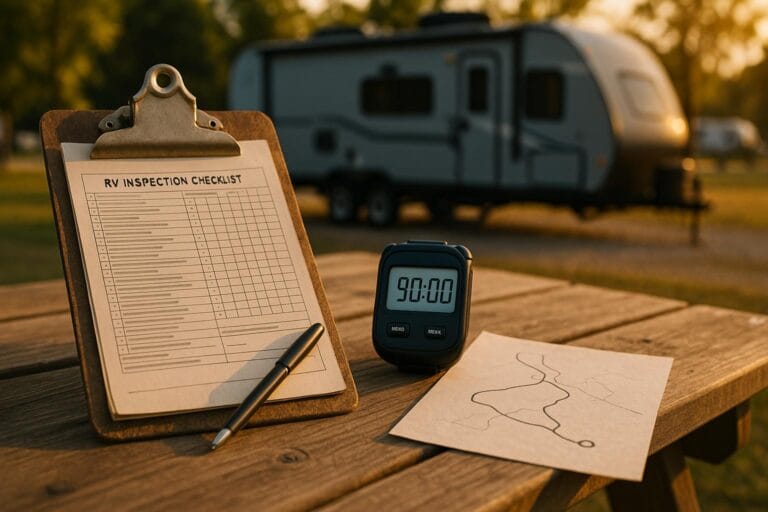
Before you lock in a floorplan, run a quick reality check with our slow-travel RV inspection tips. If you’re budgeting for a longer-term setup, our budget RV buying guide can help. If you’re planning trips to national parks with family or friends, consider our article on RV‑friendly national parks for layout ideas and access considerations.
- Consider your typical wake time, morning routine, and coffee ritual to shape kitchen and living space needs.
- Map meals, pantry use, and appliance needs to the galley layout and storage options.
- Account for how you sleep (bed type, room for guests, privacy) to decide between a dedicated bedroom or convertible options.
- Think about hosting guests; plan for extra sleeping arrangements without compromising living space.
- Evaluate how long you stay in one spot and how that affects wardrobe and storage needs.
Translating daily routines into space needs
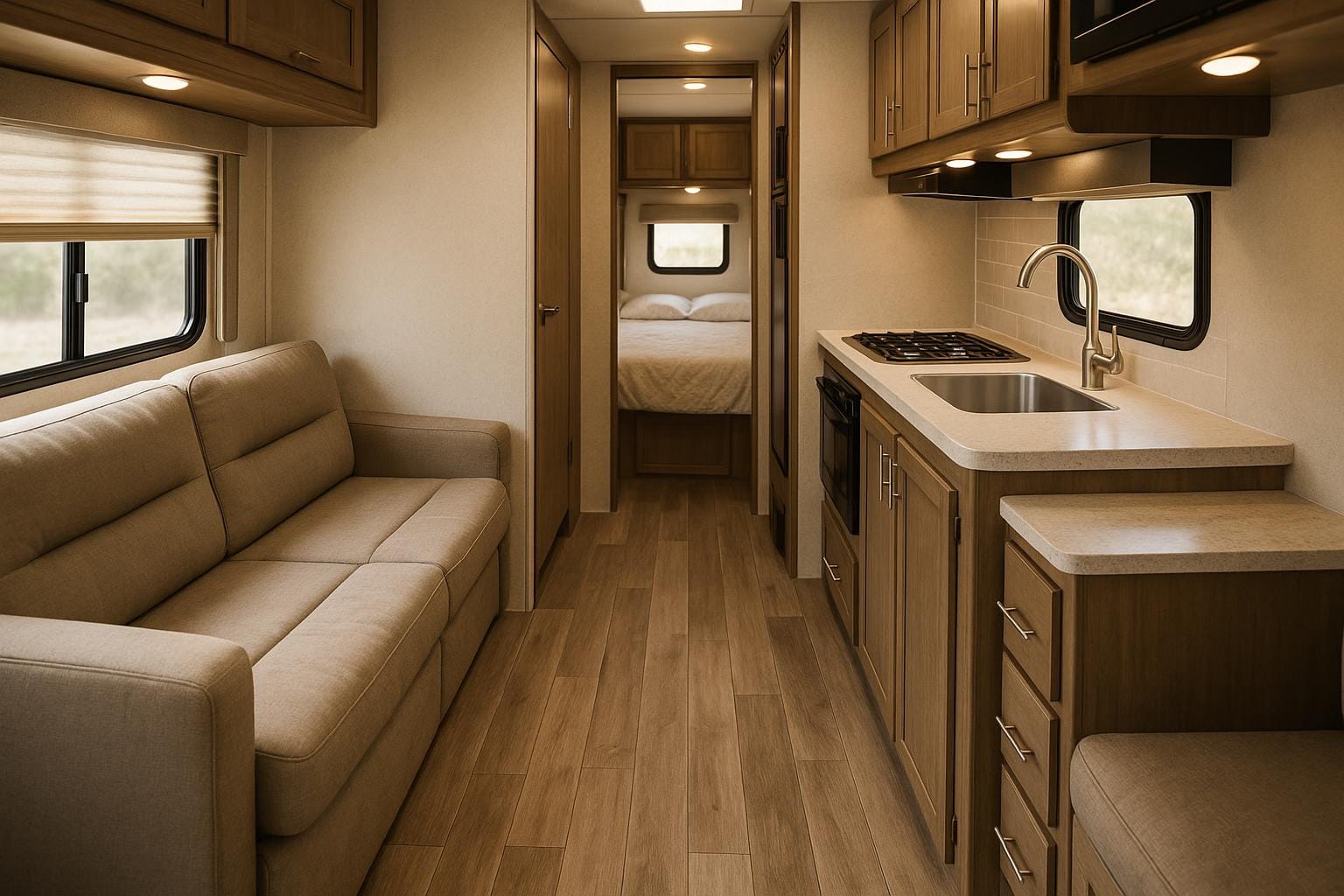
Think about your mornings. Do you prefer a quick coffee at a bar-height counter, or a full breakfast in a separate dining area? That choice can push you toward a longer galley with extra storage or a compact kitchen that frees up living space. For couples who travel together, shared storage and bedroom privacy often determine whether a side-by-side bed or a convert-to-queen setup works best. If you host grandkids or friends, plan for an extra sleeping arrangement or a convertible sofa so guests can bunk comfortably without cramping the living area.
Consider how you live as you travel: how many days in a row you stay in the same spot, how often you tow or detach, and how important a dedicated bed or large sofa is to your routine. If you want to ensure you’ll stay organized on the road, you might start with a mid-size floorplan that balances sleeping zones, kitchen space, and storage. This practical approach helps you test layouts before making a purchase decision.
Quick decision guide to floorplans
Use these quick rules to narrow options after you finish the questionnaire:
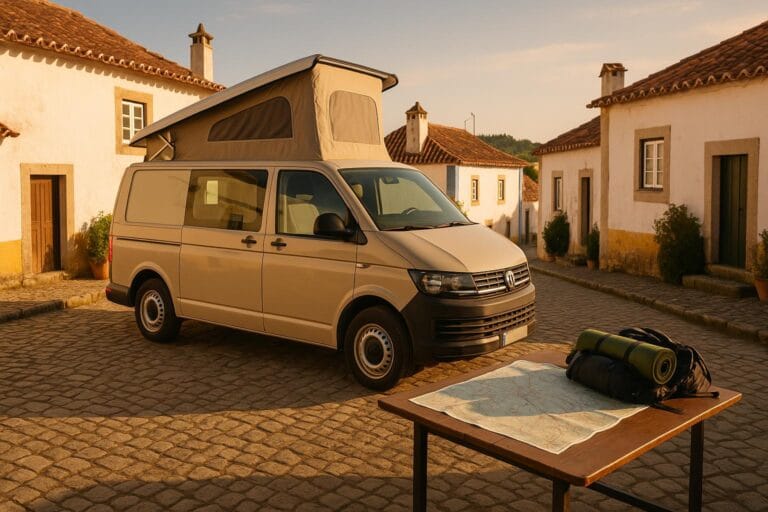
- Under 24 ft: great for solo travelers or couples who travel light and want easy driving.
- 24–28 ft: a balanced living space with a dedicated bed and flexible seating.
- 29–40 ft: best for full-timers who want a separate bedroom, larger kitchen, and more storage.
Also consider bed orientation, whether you need bunks for guests, and how much exterior storage you’ll want for gear like bikes or stand-up paddleboards.
Once you have a shortlist, test the flow in person to verify the layout works for your daily routine and travel style. A little hands-on time can reveal comfort levels that photos can’t capture.