Budget-First RV Research
Build Your Pre-Buy Wishlist and Wallet Map
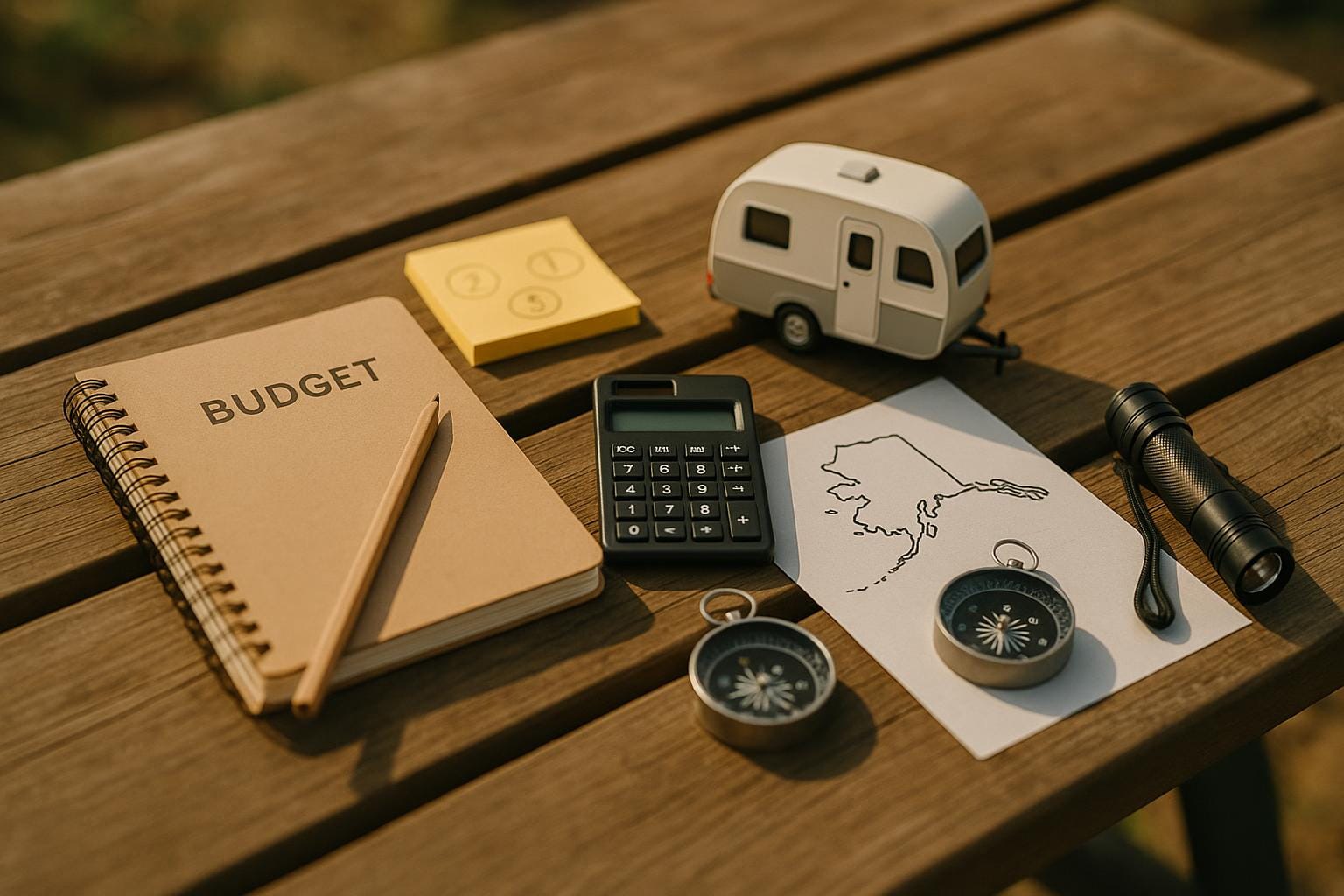
Buying a first RV on a sensible budget doesn’t have to feel overwhelming. A budget-first approach helps slow-paced travelers turn travel dreams into a practical, affordable plan. With a clear wishlist and a simple wallet map, you can compare options without getting lost in glossy specs or impulsive impulses.
Think of budget planning as your road trip companion: it guides what you buy, how you use it, and when you upgrade. Start by forecasting how you’ll travel—weekends, longer trips, or family adventures—and which features you actually need to enjoy those trips. For reference, our shopping checklist walks first-timers through essential criteria without pushing you toward overspending.
Define your travel style and must-haves
Ask yourself a few simple questions: Do you tow or drive a van-friendly unit? Will you stay in campgrounds or boondock sometimes? How many beds do you actually need? Write down two lists: Must-haves and Nice-to-haves. This splits the decision into manageable chunks and prevents the shiny new RV from steering you off budget. Be honest about family needs, storage for gear, and accessibility features so you don’t end up with a rig that feels cramped on a long weekend.
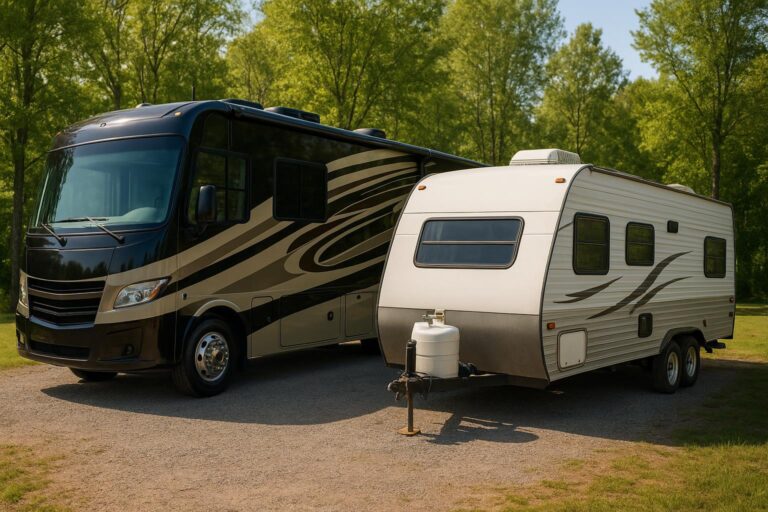
When you’re ready to explore concrete options, consider the pre-owned options first. Often, a well-maintained used RV provides all the essentials at a friendlier price than new models, leaving room in your wallet for upgrades and gear you’ll actually use.
Build your simple wallet map
Next, list annual and monthly costs that come with RV life, then convert them into a realistic monthly plan. Example categories and ranges:
- Insurance: $800–$1,400/year
- Maintenance reserve: $500–$1,200/year
- Storage: $0–$150/month
- Campground fees: $25–$70 per night
- Fuel and depreciation: variable, plan a monthly cushion
To keep it practical, translate those estimates into a simple monthly plan. A slower-paced traveler may target a total monthly outlay in the lower range when parked, and adjust upward for trips with several campground nights. If you’re curious about off-grid stays, our boondocking guide offers practical budgeting tips—boondocking basics you can apply right away.
Translate dreams into a wishlist
Now build a concrete wishlist by labeling items as Must-have or Nice-to-have. For example, a Must-have might be a compact kitchen that handles family meals, while a Nice-to-have could be a second outdoor shower. Use this living document to compare rigs side-by-side and flag trade-offs early. Remember to factor size, weight, and hitch requirements into your plan, so you don’t overestimate what you can tow or park at your favorite sites.
Create a blueprint you can revisit
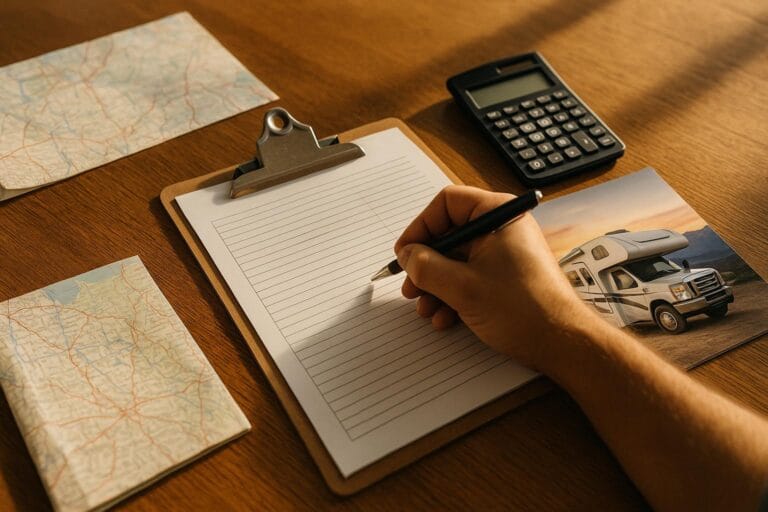
Capture the essentials in a simple blueprint you refer back to regularly. A practical template could look like this:
- Name or model you’re considering
- Target monthly budget (expenses listed above)
- Must-have features (and any hard trade-offs)
- Nice-to-have items to add later
- Key campground or travel plans (for estimating nights and locations)
As you compare options, keep the plan flexible. If a tempting upgrade comes along, you’ll have a clear reason to say yes or no. For ongoing inspiration on where to travel, check out our guides to RV-friendly parks and suggested routes—for example, RV-friendly parks that fit a gentle pace.
Starting now with a budget-focused plan makes the buying process less stressful and more enjoyable. Small decisions early on—like choosing a reasonable insurance ceiling or reserving a dedicated maintenance fund—set you up for confident, relaxed adventures rather than buyer’s remorse. Ready to map your dream trips within a realistic wallet? Start with your wishlist and wallet map, then refine as you go.