New or Pre-Owned
A 50+ Traveler’s Practical Guide to Starting Your First RV
So you’re 50 or older and dreaming of the open road? A first RV can be a fantastic way to travel at a slower pace, explore more, and simplify life on the road. The key is choosing a setup that fits your pace, budget, and future plans. This guide helps you decide between a brand-new RV or a gently used unit, with a clear process for setting a price ceiling before you shop.
Whether you’re planning weekend adventures or long, slow trips across the country, starting from a place of clarity on costs and lifestyle fit saves time, money, and headaches. Below, we cover what matters most to 50+ travelers: long-term costs, reliability and maintenance, how you actually travel, and a practical price ceiling plan.
Key questions to ask before you shop
Before you even peek at RV lot lots or dealer lots, answer these questions. They help you decide if a brand-new model or a gently used unit is the right starting point for your travels.
- How many travelers will live in the RV, and what are your space needs?
- Do you plan mostly weekend trips or full-time living on the road?
- How important is reliability and warranty coverage for your peace of mind?
- What is your target monthly and total budget, including insurance, maintenance, and storage?
Weighing long-term costs
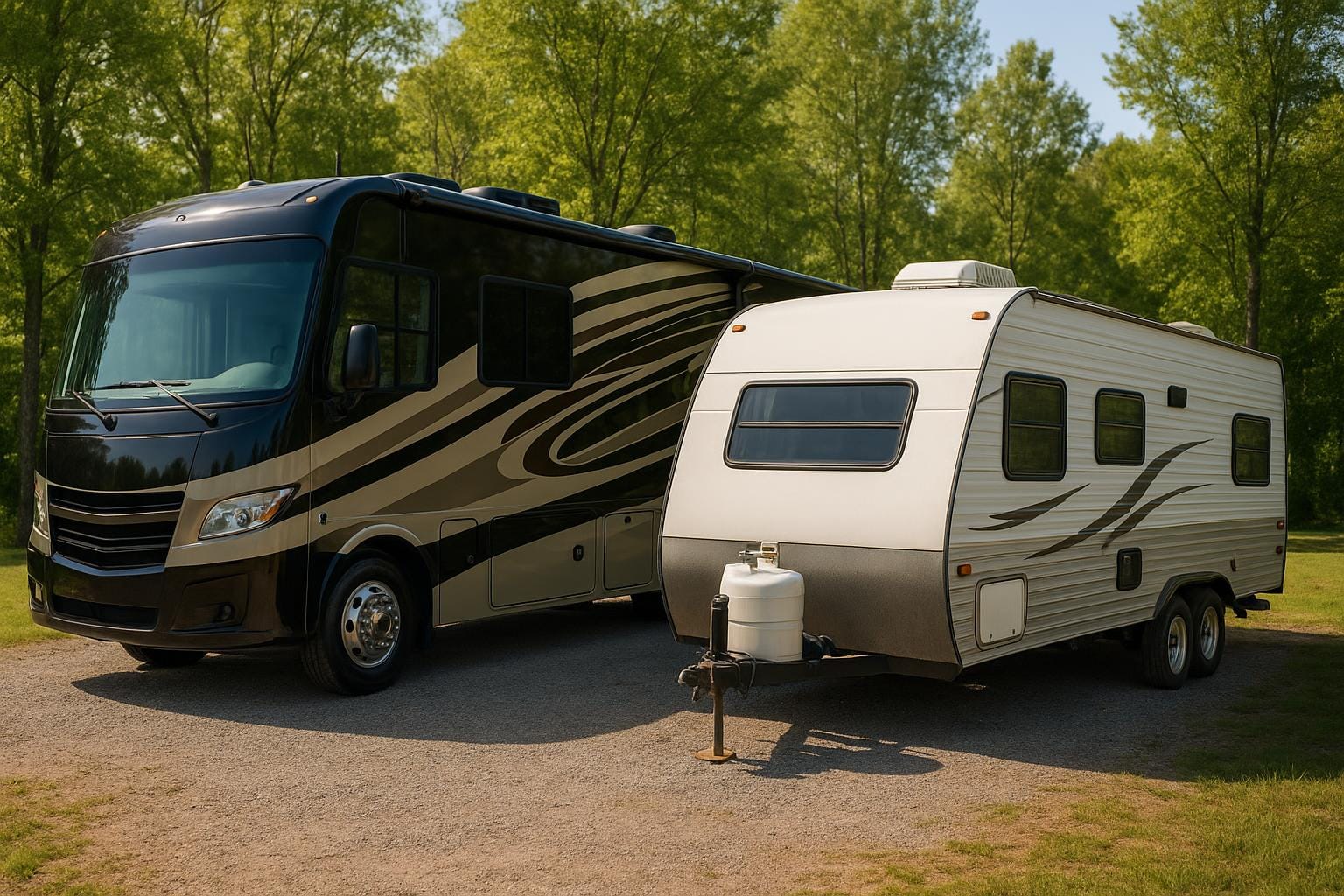
New RVs often come with factory warranties and the latest features, but they depreciate quickly the moment you drive off the lot. A gently used model can deliver excellent value if it’s been well cared for, but it may require more maintenance soon. Think not just about the sticker price, but the full lifecycle costs: depreciation, financing, insurance, registration, tires, batteries, and potential repairs. For practical tips on reducing campground costs while you learn your preferred style, check out RV boondocking 101.
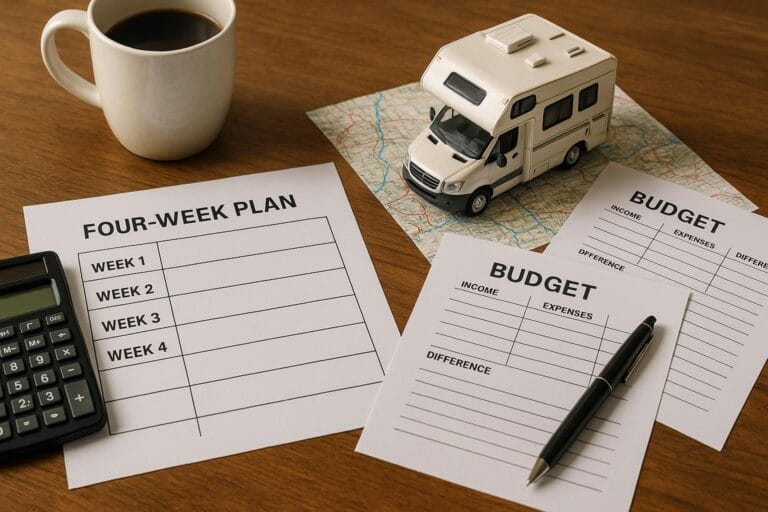
When you map costs, consider how long you expect to keep the RV and how easy it will be to resell later. A well-maintained mid-life used unit can be a smart choice if it has a solid service history and a clean title. Use a simple worksheet to compare scenarios: list upfront price, projected annual maintenance, insurance, and annual depreciation. Small differences in yearly costs can add up to thousands over five to ten years.
Reliability, maintenance, and warranties
Reliability matters more when you’re traveling as a couple, a family, or with pets. New models often come with strong warranties and fewer surprises in the first couple of years, while used units demand diligence: a full inspection, service history, and potentially extended warranties can reduce risk. Choose models with easily available parts and trusted technicians near your home base.
To help plan a confident road itinerary, many first-timers appreciate parks and routes that are easy to access and maintain. If you’re curious about a reliable starting point, check out Best RV-Friendly National Parks for First-Timers, which highlights parks known for straightforward access and solid services.
Lifestyle fit: how you actually travel
Your travel tempo—long stays at one site or quick hops between destinations—shapes which RV type makes sense. If you’re aiming for longer, Europe-style itineraries or extended trips, you may value lighter weight, better mileage, and simpler systems in a used unit. For route planning and campsite tips, see our Europe RV road trip planning guide to understand how vehicle choices affect daily routines and camp choices.
For inspiration on how to structure a first big road trip, consider a slower, scenic loop such as the Southwest RV loop, which demonstrates how to balance big views with practical campground options and downtime.
Setting a price ceiling before you shop
Setting a firm price ceiling before you shop helps you stay disciplined and negotiate confidently. Start with a monthly ownership budget that covers loan or finance payments, insurance, maintenance, and storage, then translate that into a total purchase price you won’t exceed. With a clear ceiling, you can compare a pristine new model against a well-kept used unit with confidence. If you want budgeting guidance, see our long-term costs section for a practical framework.
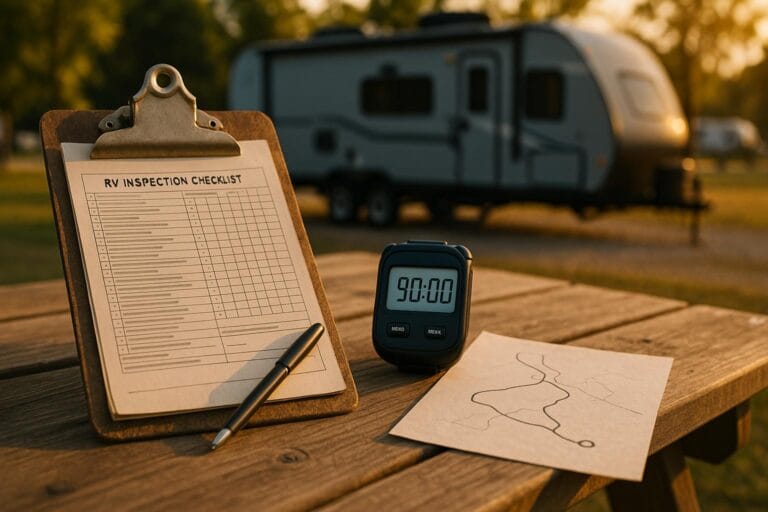
As you shop, hold yourself to a few non-negotiables—these often keep a deal from going sideways. For example, require a clean inspection, verify the title history, and check that the roof and appliances have recently been serviced. If you want guidance on where to start with itineraries after purchase, see how others have planned road trips with our Southwest loop guide.
Bottom line: the best first RV for a 50+ traveler balances comfort, reliability, and cost with your pace of travel. Take your time, gather numbers, and test drives if possible. With a clear plan, your first miles will feel effortless and adventurous rather than overwhelming.