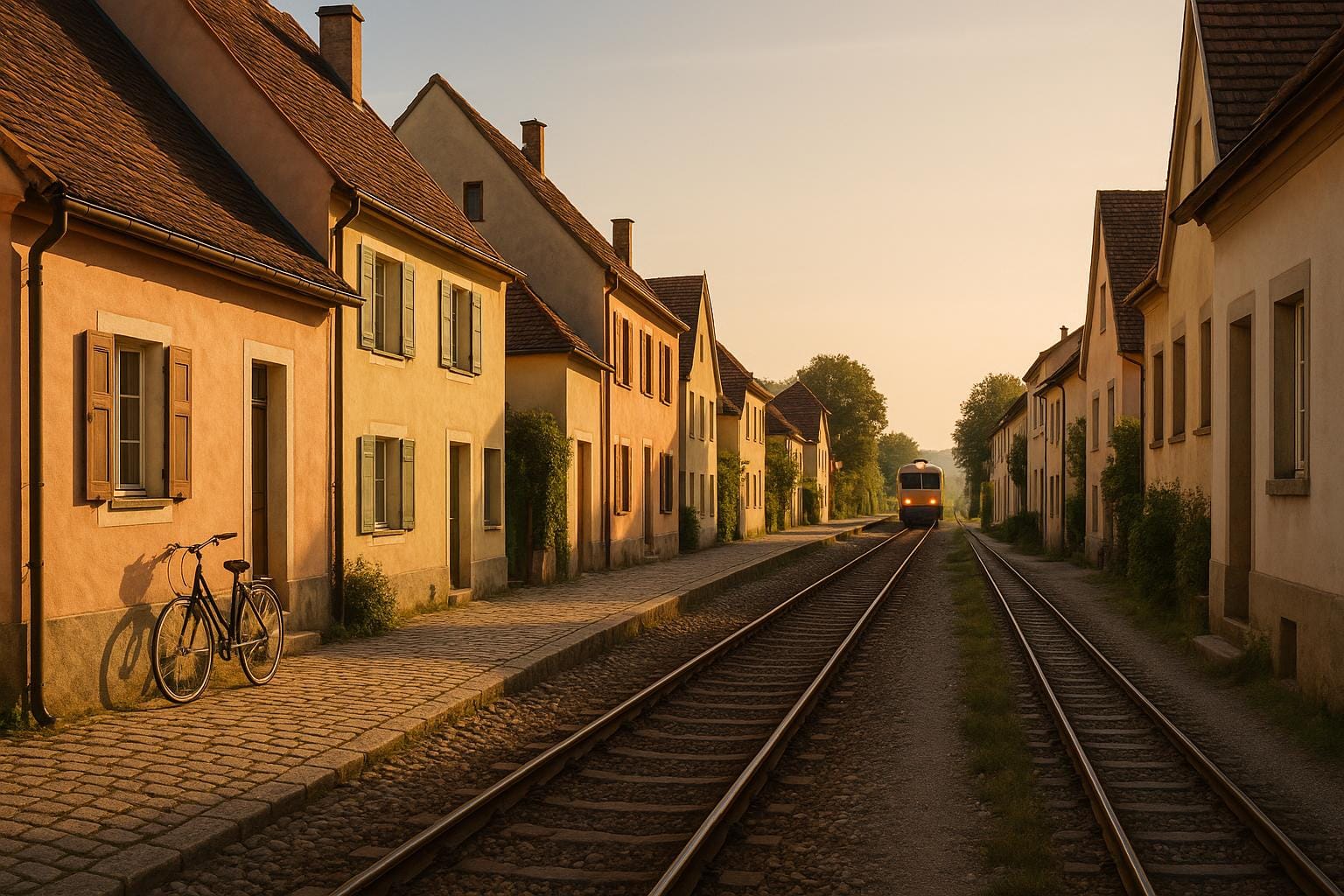
Slow-Travel Through Europe’s Quiet Corners
A 10-Day Budget Village Circuit for 50+ Adventurers
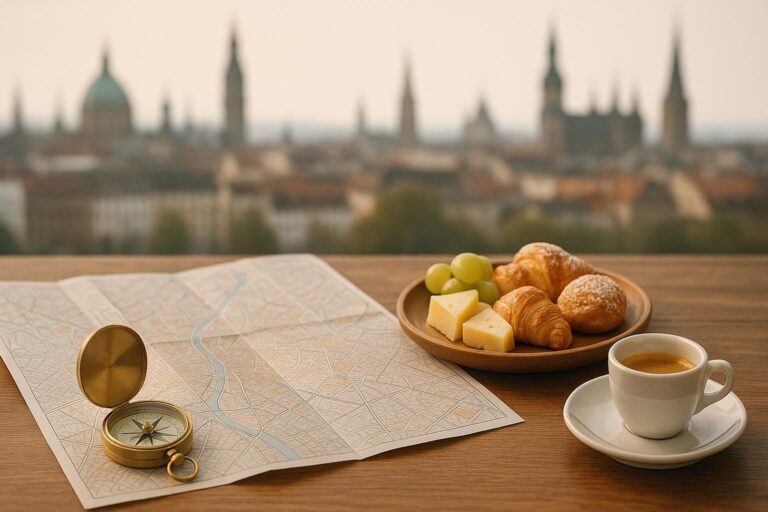
If you’re part of the 50+ crowd looking to explore Europe without crowds and high costs, slow travel through quiet corners is ideal. This 10-day loop focuses on small towns, efficient rail travel, affordable stays, and authentic local culture.
Why slow travel works for 50+ travelers
Slower pacing reduces fatigue, lowers hotel costs, and lets you savor meals, markets, and conversations. It also aligns with rail schedules that favor regional lines, walkable village centers, and lodging in village cores rather than big-city hotels. You can plan fewer, longer stops and still cover a meaningful slice of Europe.
Smart planning for affordable stays and transit
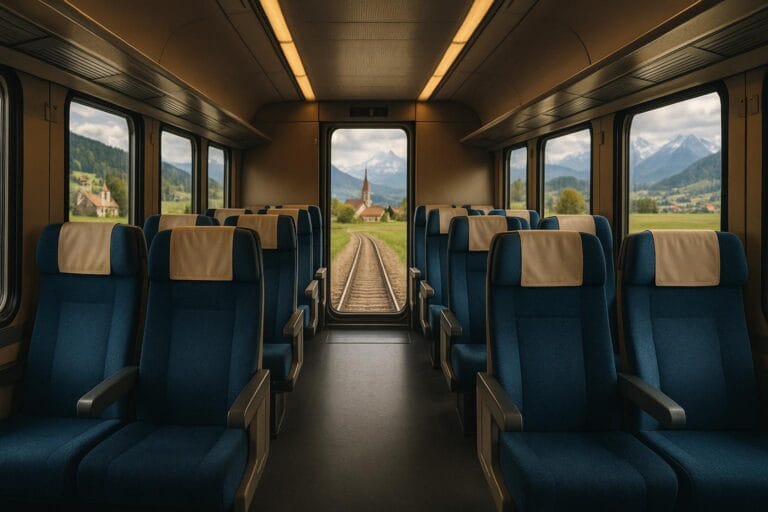
Book well in advance where possible, but remain flexible for last-minute deals. Choose family-run guesthouses, B&Bs, or agriturismos in countryside towns. For rail, consider a Eurail pass if you plan multiple country hops; for slow legs, regional trains are often cheaper and more scenic.
To plan rails and passes, see eurail tips.
Sample 10-day route overview
Below is a flexible outline that keeps pace gentle and avoids crowds. Feel free to swap towns with similar options nearby.
- Day 1-2: Start in a quiet Alsace village cluster near Colmar with easy train connections from Strasbourg. Enjoy half-day strolls, a local market, and a cozy inn.
- Day 3-4: Travel to Loire Valley villages such as Amboise or Montrichard. Gentle bike rides, river walks, and affordable chambres d’hôtes. For ideas on less-crowded European cities, see hidden European cities.
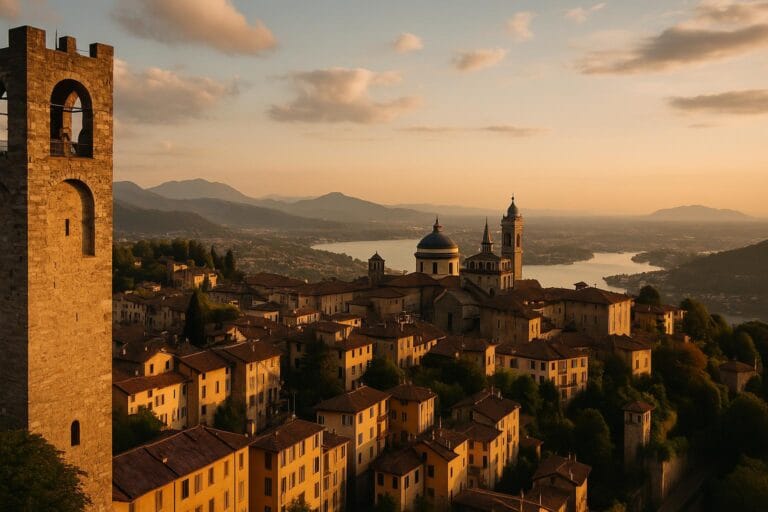
- Day 5-6: Move on to Piedmont’s wine-country towns like Neive or Alba. Slow food tastings, scenic walks, and budget-friendly stays.
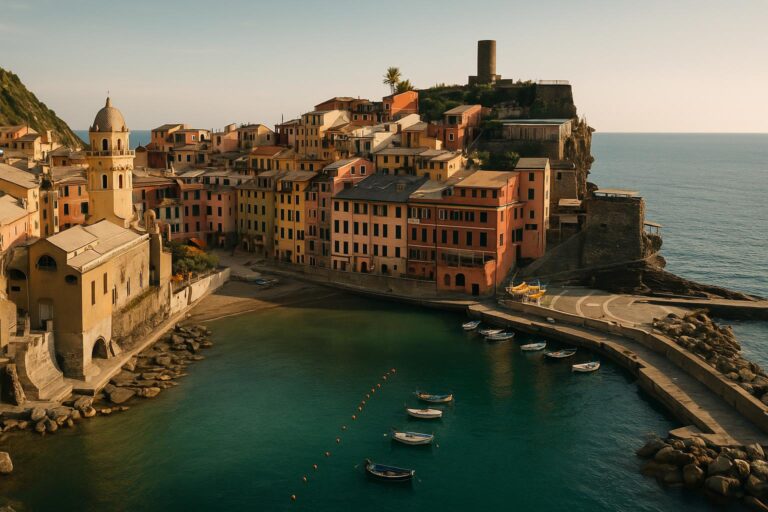
- Day 7-8: Head to a Ligurian hill town or base near Cinque Terre for coastal walks and light hiking. For scenic rail routes, check scenic train rides in Europe.
- Day 9-10: Return to a larger hub for easy rail access home, with a final day of markets and relaxed pace before departure.
Practical tips for staying comfortable on a budget: pick accommodations with easy walking access to the station, bring a compact daypack, and plan meals around markets and bakeries rather than sit-down meals every day.
Local culture matters most on slow trips. Take part in a beginner-friendly cooking class, join a short village walking tour, or chat with a shop owner about regional specialties. These small moments turn a trip into memorymaking rather than a checklist.
Packing and pacing for the 50+ traveler
Pack light, but pack smart: layers, comfortable shoes, a compact umbrella, and a reusable water bottle. Plan rest days with light activity every second day so legs can recover and travel remains enjoyable.
For more inspiration on compact Europe itineraries, explore our other posts about hidden cities and scenic train routes.