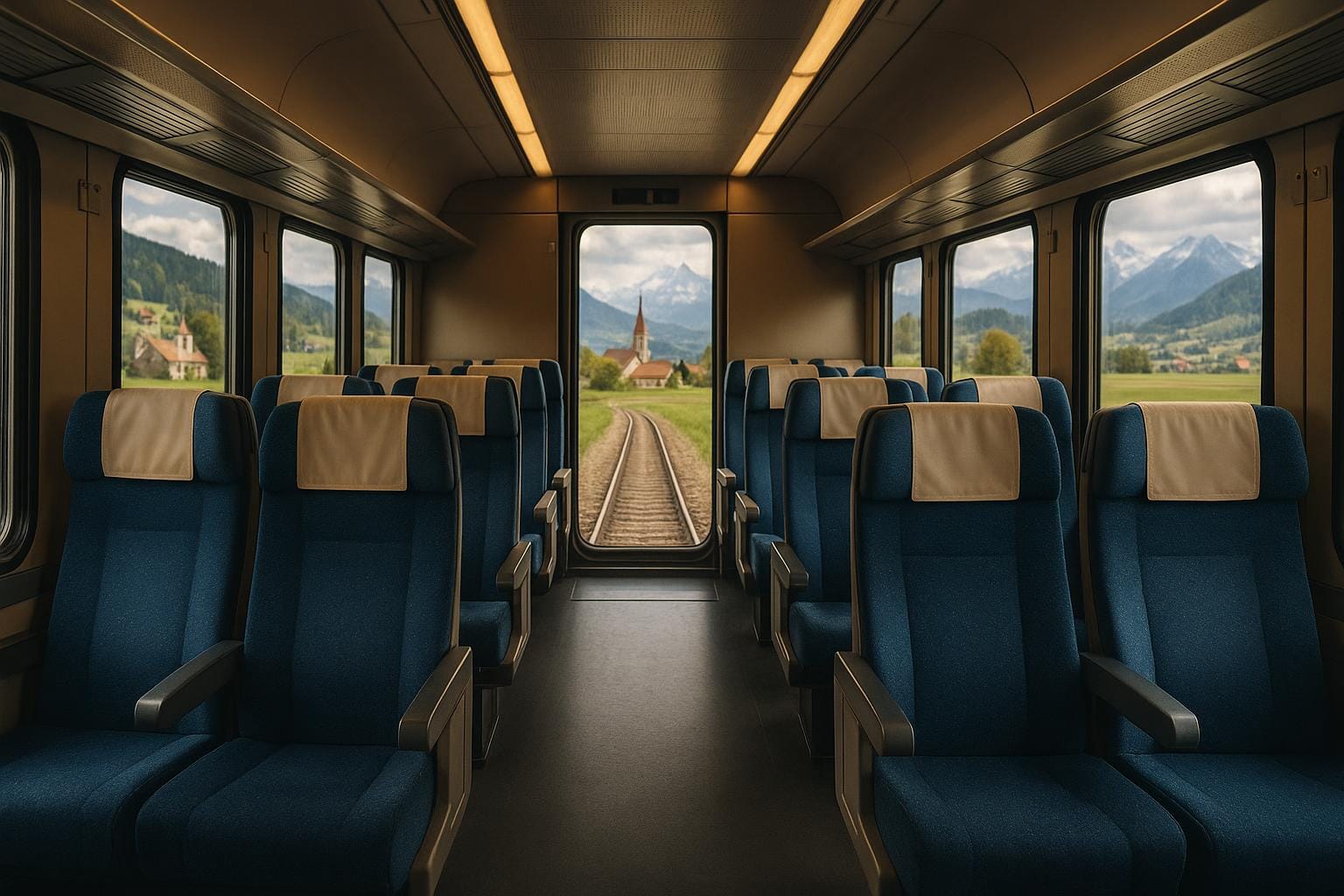
How to Use Eurail Like a Pro: Routes, Seats, and Savings
Eurail unlocks fast, scenic, city-center-to-city-center travel across Europe—without juggling dozens of tickets. Here’s how to pick the right pass, handle seat reservations, plan smart routes, and save money while keeping flexibility.
How to pick the right Eurail Pass
Start with your route, pace, and how much flexibility you want. Eurail comes in two main flavors: the Global Pass (most countries in Europe) and One Country Passes. Then choose between continuous and flexi passes.
- Global vs. One Country
- Global Pass: Best if you’re crossing borders or hitting 3+ countries (e.g., France–Germany–Austria–Italy). It’s also ideal for long scenic hauls like Switzerland to Italy or Spain to France.
- One Country Pass: Perfect for slow travel or deep dives (e.g., all-Italy, all-Switzerland). Consider two One Country Passes if you’re focusing on adjacent countries and your days are concentrated.
- Flexi vs. Continuous
- Flexi Pass (e.g., 5 days in 1 month): You get a set number of “travel days.” Great if you’ll stay put for a few nights between hops.
- Continuous Pass (e.g., 15 days, 1 month): Travel any day during validity. Good for fast-paced itineraries or if you want total spontaneity.
- Who saves most?
- Long-distance riders and high-speed fans save more than short-hop travelers.
- Youth and seniors get discounted pass prices.
- Compare the pass against point-to-point fares for your specific dates to confirm value.
Activation & travel days: Eurail is a mobile pass. Activate it in the Eurail app with a start date. A travel day runs midnight to midnight; night trains count on the departure day (the old 7 p.m. rule is gone).
Seat reservations: what’s mandatory and how to book
Your pass covers the fare, but some trains require a seat reservation (and sometimes a small supplement). Whether you need one depends on the country and train type.
Common reservation rules by country/train
- France (TGV/Lyria): Reservation mandatory. Expect €10–€20 domestically; international TGVs (e.g., to Switzerland/Spain) can be higher and have limited passholder quotas.
- Italy (Frecciarossa/Frecciargento/Frecciabianca): Mandatory reservation, typically ~€10. Note: Italo trains are not covered by Eurail.
- Spain (AVE/ALVIA): Mandatory reservation, commonly around €10; quotas apply on popular routes.
- Eurostar (to/from London and between FR/BE/NL): Mandatory reservation; passholder seats limited; budget ~€30–€35 when available.
- Germany (ICE/IC/EC): Reservations optional on most trains—ride freely if you don’t mind taking any free seat.
- Switzerland: Most trains don’t require reservations; scenic named trains (Glacier Express, Bernina Express) need paid seat reservations/supplements.
- Night trains (ÖBB Nightjet, etc.): Mandatory reservation for couchettes/berths; seat options cheapest, sleepers most expensive.
Where to reserve
- National rail sites/apps: Many let you book “seat reservation only” for passholders. Try DB Navigator (Germany), ÖBB (Austria), SNCF (France), Trenitalia (Italy). If the site doesn’t show a passholder option, try another operator (ÖBB is great for Nightjet and some partners).
- Eurail reservation tool: Convenient but can add fees; sometimes physical tickets are required for mail pickup—factor in time.
- Station ticket counters: Reliable for last-minute changes and complex routes, but popular trains can sell out.
Tip: Always carry a plan B that avoids mandatory reservations (regional trains). They’re slower but keep you flexible and fee-free.
Smart timing: when to reserve and when to wing it
Reservation windows vary by country and train—usually 60–180 days. As a rule:
- Book early for: Eurostar, TGVs on busy corridors (Paris–Nice, Paris–Zurich), Spain AVE, night trains, holidays/weekends. Aim 2–3 months out if you can.
- Book a few days to a week ahead for: Italy’s high-speed routes, popular cross-border EC trains.
- Wing it on: Germany, Austria, Benelux, much of Switzerland—regional and many long-distance trains don’t require reservations.
Balance flexibility with peace of mind. Lock the few segments that can derail your plan (Eurostar, night trains, peak-season TGVs). Leave gaps for spontaneous day trips using regional trains.
Sample Eurail routes you can steal
Use these as plug-and-play frameworks. Pair a 5 days in 1 month pass with city stays, or go continuous if you prefer frequent moves.
Classic Capitals: Paris → Amsterdam → Berlin → Prague
- Paris → Amsterdam: Eurostar (reservation required) or slower IC via Lille/Antwerp to avoid fees.
- Amsterdam → Berlin: Direct IC/ICE most days; reservation optional.
- Berlin → Prague: Scenic EC along the Elbe; reservation optional but recommended in peak season.
Italian Highlights: Rome → Florence → Venice → Milan
- Frecciarossa/Argento between each city (~1–2 hours). Reserve seats (~€10) or take Regionale trains to skip fees and enjoy countryside views.
Sun & Tapas: Barcelona → Valencia → Madrid → Seville
- AVE/ALVIA with mandatory reservations (around €10). For savings, mix in Media Distancia/Regional services where practical.
Alpine Drama: Zurich → Lucerne → Interlaken → Zermatt
- Most Swiss trains are reservation-free. For the Glacier Express or Bernina Express, pay the scenic seat supplement or ride the regular regional trains that trace the same routes.
Nordic Loop: Copenhagen → Gothenburg → Oslo → Bergen
- Reservations vary; book longer legs a bit ahead. Don’t miss the Oslo–Bergen line—among Europe’s best scenic rides.
Mix and match: add Bruges or Ghent between Paris and Amsterdam, or Salzburg/Innsbruck between Munich and Venice.
Connection hacks and ways to avoid fees
- Ride regionals instead of high-speed
- Amsterdam ↔ Brussels: Skip Eurostar; take the Intercity via Roosendaal/Antwerp—no reservation, no fee.
- Paris ↔ Germany: If TGVs are sold out or pricey, go Paris → Strasbourg/Metz by TER, then into Germany by regional/IC.
- France ↔ Italy: Paris → Nice/Marseille by TER or TGV, then TER to Ventimiglia and Regionale into Italy—little to no fees.
- Split at borders: If passholder quotas are gone on an international TGV, split the journey at a border hub (e.g., Basel, Geneva, Hendaye) and continue on regionals.
- Use night trains strategically: Save a hotel night and cover distance. Book sleepers early; a couchette often costs less than paying for a room plus a day of travel.
- Open-jaw flights + Eurail: Fly into one city and out of another (e.g., Barcelona in, Paris out); connect them by rail for a one-direction flow that avoids backtracking.
- Travel off-peak hours: Midday trains are less crowded, with better odds for last-minute reservations and empty seats on non-reserved services.
- Leverage pass benefits: Ferries (Greece, Italy), private scenic lines, and museum discounts can sweeten the value—check benefits in the Eurail app.
Pro tip: Always add your trip to your mobile pass before boarding. Conductors will scan your QR and sometimes verify seat reservations on trains that require them.
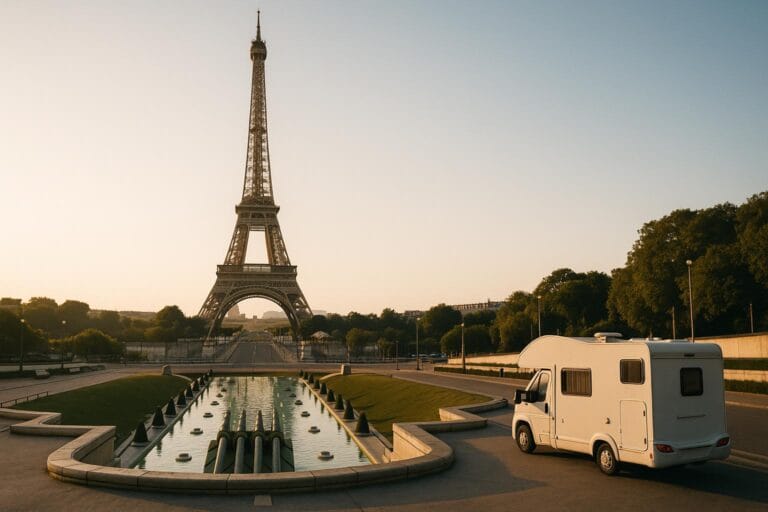
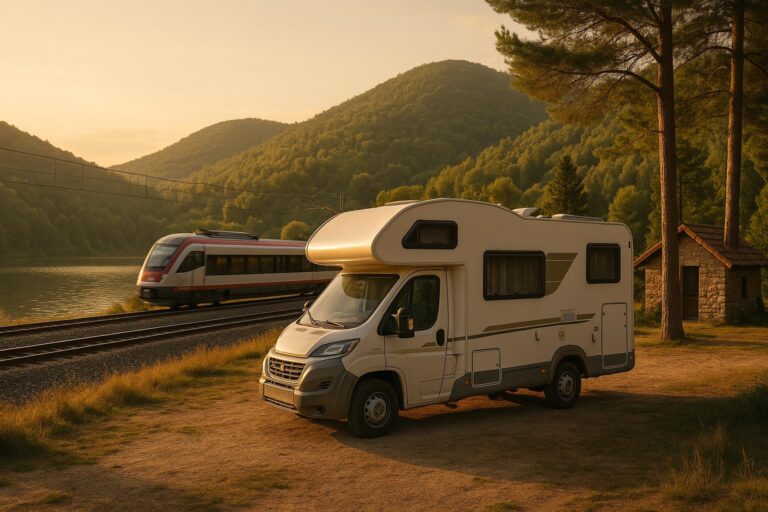
Bonus for RV travelers: park the rig, ride the rails
Combining a motorhome or campervan with Eurail is a stealth power move. Park at a campground or aire outside a major city, then train in for stress-free sightseeing.
- Why it works
- City-center stations drop you steps from old towns and museums—no urban driving or parking drama.
- On flexi passes, bunch your rail days for city clusters, then road-trip the rural stretches.
- Rail days double as rest days for drivers and give everyone window-seat views.
- Practical tips
- Pick campgrounds near S-Bahn/RER/Metro lines (e.g., around Munich, Vienna, Paris) to minimize transfers.
- Use regional trains to avoid reservation fees for day trips (Salzburg from Munich, Ghent from Brussels, Verona from Venice).
- Pack light day bags; leave valuables locked in the RV and use campground safes if available.
Key takeaways
- Choose a pass that matches your pace: flexi for city stays, continuous for frequent hops.
- Reserve early for Eurostar, TGV, AVE, and night trains; go reservation-free on regional routes to stay flexible.
- Split at borders, ride regionals, and travel off-peak to dodge fees and quotas.
- Use the Eurail app plus national rail sites to compare reservation options and costs.
Final checklist to travel like a pro: sketch your route, lock the few must-reserve trains, keep regional backups, and sync every ride to your mobile pass. With the right mix of planning and flexibility, Eurail turns Europe into your easy, scenic, budget-friendly backyard.