RVing the Florida Keys: Best Campgrounds and Snorkel Spots
RVing the Florida Keys: Best Campgrounds and Snorkel Spots
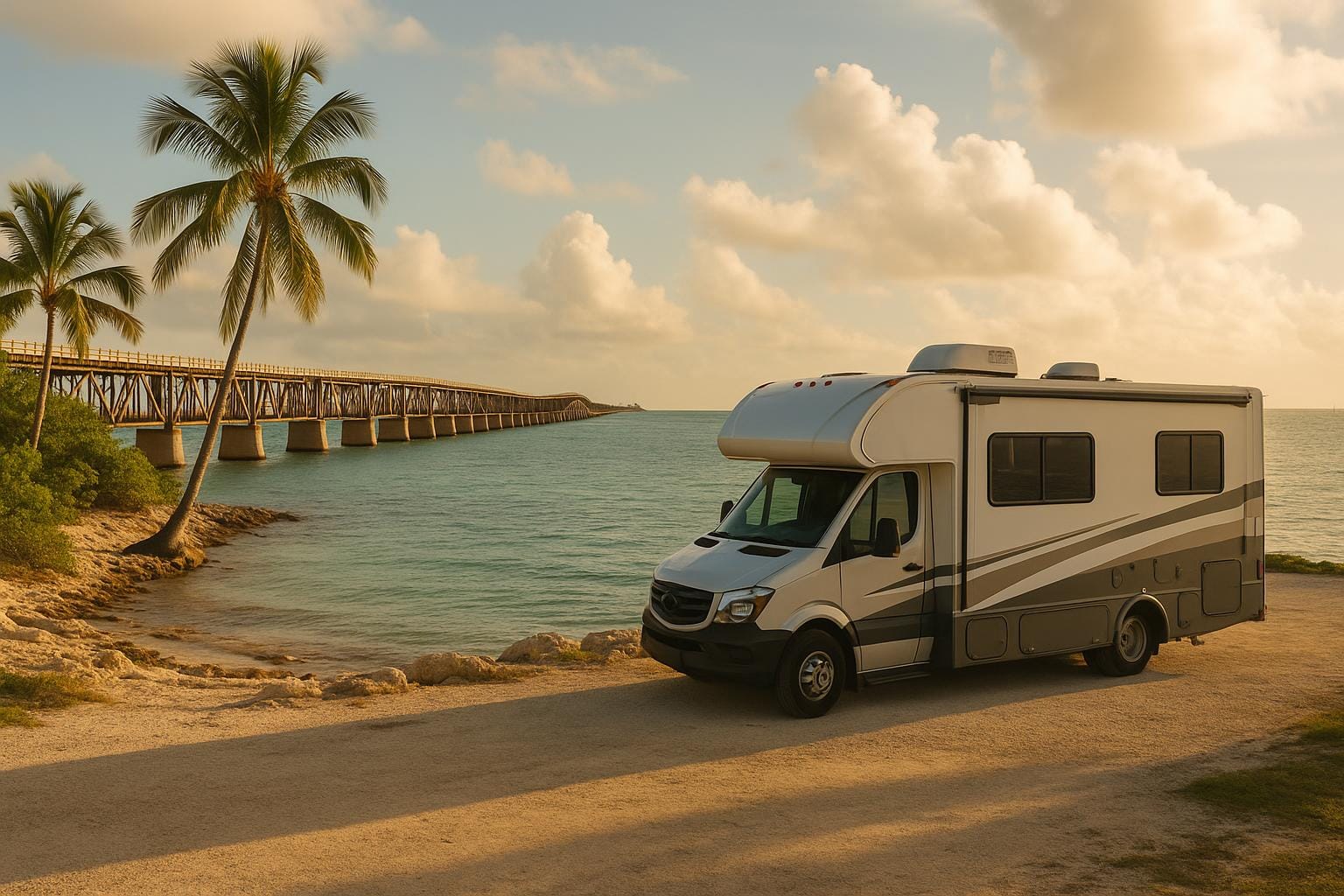
There’s something magical about rolling into the Florida Keys on US-1, watching the sea turn impossible shades of teal, and parking your home-on-wheels steps from a sandy beach. If you’re dreaming of a sun-splashed RV road trip focused on waterfront campsites and world-class reefs, this mile-by-mile guide from Bahia Honda to Key West will help you plan it. Expect practical reservation strategies, driving tips for navigating the Overseas Highway, and our favorite snorkel and paddleboard spots. And if you usually travel Europe, consider this your friendly crash course to RVing the Keys—imperial units, palm trees, and all.
How to Plan Your Florida Keys RV Road Trip
The Keys are a classic RV destination, but demand is high and space is limited. A little strategy goes a long way.
- When to go: December–March is peak season (best weather, highest prices). Shoulder seasons in late April–May and September–November are great for fewer crowds and better availability. June–November is hurricane season—monitor forecasts.
- How long: You can sample the Lower Keys in a long weekend, but five to seven days lets you slow down, snorkel more, and savor sunsets.
- Renting an RV: Flying in? Look for rentals near Miami or Fort Lauderdale (Outdoorsy, RVshare, Cruise America). Confirm your rig length and power needs (30- or 50-amp) before booking sites.
- European traveler tip: US roads drive on the right, distances are in miles, and electrical hookups are 110V at 60Hz (30/50-amp). Most sites list lengths in feet; 30 ft is roughly 9 meters.
Driving US-1: Practical Tips for RVers
The Overseas Highway is beautiful but narrow, with limited passing and occasional crosswinds, especially on the Seven Mile Bridge. Plan your fuel and your photo stops so you can relax and enjoy the view.
- Mind the mile markers: Keys addresses align with mile markers (MM), counting down toward Key West. It’s the easiest way to navigate.
- Seven Mile Bridge winds: Expect gusts; keep both hands on the wheel. Larger Class A rigs should reduce speed on breezy days.
- Wildlife: Drive slowly on Big Pine Key after dusk. Endangered Key deer often cross US-1.
- Fuel up smart: Prices vary. Top off in Florida City or Marathon, and don’t let your tank dip too low—traffic can be slow on weekends.
- Parking in Key West: Leave the RV at your campground. Bike, rideshare, or take a shuttle to Old Town. Streets are tight; parking is expensive.
- Check road alerts: For accidents or closures, monitor FDOT and Monroe County Sheriff updates before long drives.
Reservation Strategies for Coveted Campsites
Florida Keys RV sites often sell out months in advance, especially waterfront spots. Here’s how to snag them:
- Bahia Honda State Park: Reservations open 11 months ahead at 8 a.m. Eastern. Have multiple date options, log in early, and use flexible filters by site length. Cancellations happen daily; set alerts and keep checking.
- Private parks: KOA, Bluewater Key, Boyd’s, and Geiger Key accept reservations well in advance; some maintain waitlists. If you’re flexible, book shorter stays and stitch them together.
- Know your rig: Site length limits are enforced. Bring 30/50-amp adapters and confirm if sites have full hookups or water/electric plus a dump station.
- Seasonal strategy: For winter, book as early as possible. In shoulder season, try midweek arrivals.
Mile-by-Mile Campgrounds: Bahia Honda to Key West
Bahia Honda State Park (MM 37)
Arguably the crown jewel of Florida Keys RV camping, Bahia Honda State Park pairs turquoise water with powdery beaches like Sandspur and Calusa. Sites are close to the water, breezy, and serene. Expect water and electric hookups, restrooms, and a dump station. On-site concessions run snorkel trips to Looe Key Reef, and you can paddle calm shallows right from the park. Book early; this one is a bucket-list stop.
Big Pine Key Fishing Lodge (MM 33)
Set among the quiet Lower Keys, Big Pine Key Fishing Lodge offers a friendly, old-Florida vibe with back-in sites, boat ramp access, and easy paddling. From here, you can explore Coupon Bight Aquatic Preserve by SUP or kayak and keep an eye out for Key deer. It’s a great base for snorkel charters to Looe Key.
Sugarloaf Key/Key West KOA Holiday (MM 20)
Rebuilt and modernized, the KOA on Sugarloaf Key features full hookups, a pool, marina access, and organized activities. It’s family-friendly, pet-friendly, and conveniently located for day trips to Key West without giving up that laid-back Lower Keys feel. Shuttle options help you avoid Old Town traffic.
Bluewater Key RV Resort (MM 14)
Looking for luxury? Bluewater Key RV Resort is a private, high-end park where many sites are waterfront, with private docks, tiki huts, and long pads for big rigs. It’s ideal if you want space, serenity, and direct access to calm canals perfect for sunrise paddles.
Geiger Key Marina & RV Park (MM 10.5)
Geiger Key marries waterfront RV sites with a convivial tiki restaurant and marina. The surrounding mangrove lagoons are tailor-made for paddleboarding, and it’s a short hop into Key West for dining and nightlife. Expect tight availability and a friendly scene.
Boyd’s Key West Campground (MM 5)
As close as you can camp to Old Town with your RV, Boyd’s offers a mix of waterfront and interior sites, a pool, and a lively atmosphere. It’s a favorite for travelers who want to park the rig and bike into town. Book well ahead for winter; earplugs help with early roosters and occasional airport noise.
Leo’s Campground & RV Park (MM 4.5)
Leo’s on Stock Island is a budget-friendly, compact option convenient to Key West. Sites are smaller, making it a better fit for vans and shorter trailers, but the location and value are hard to beat. City buses and rideshares make Old Town access easy.
Best Snorkel and Paddleboard Spots Nearby
The Lower Keys host some of the best snorkeling in the United States. Protected reefs, warm water, and abundant marine life make it beginner-friendly yet thrilling for experienced snorkelers.
- Looe Key Reef (near MM 37–33): A top-tier reef with schools of parrotfish, angelfish, and occasional sea turtles. Trips run from Bahia Honda State Park and Big Pine charters. Expect 10–30 ft depths and excellent visibility on calm days.
- Coupon Bight Aquatic Preserve: Launch a SUP or kayak from Big Pine to explore clear shallows, seagrass beds, and mangrove edges. Great for spotting rays and small sharks in calm conditions.
- Saddlebunch & Sugarloaf mangroves: From Bluewater Key or Sugarloaf KOA, paddle quiet channels at sunrise or sunset for glassy water and birdlife.
- Key West Reefs (by boat): Charters visit Sand Key, Eastern Dry Rocks, and Western Sambo. Expect vibrant coral heads, nurse sharks, and barracuda. For shore-accessible snorkeling, try Fort Zachary Taylor State Park on a calm day.
Snorkel safety: Check wind and seas before you go; visibility drops with swell. Use reef-safe sunscreen and do not touch coral. If snorkeling from shore or a private vessel, carry a legal divers-down flag and stay close to it; boaters are required to keep distance. Fins improve control in light currents, and a snorkeling vest adds visibility and buoyancy.
Sample 3-Day Bahia Honda to Key West Itinerary
Short on time? Here’s a practical long-weekend plan that hits the highlights.
- Day 1 – Bahia Honda: Arrive mid-morning, set up camp, and head to the beach. Join an afternoon snorkel trip to Looe Key Reef. Catch sunset from the Old Bahia Honda Bridge overlook.
- Day 2 – Sugarloaf or Bluewater: Move 15–20 miles west to Sugarloaf Key/Key West KOA or Bluewater Key RV Resort. Paddle the mangrove channels at dawn, then relax by the pool. Evening dinner at Geiger Key’s tiki restaurant.
- Day 3 – Key West: Shift to Boyd’s or Leo’s, park the rig, and bike to Old Town. Tour Fort Zachary Taylor, snorkel off the beach if conditions allow, and wrap up with Mallory Square sunset. If you have an extra day, consider a Dry Tortugas National Park day trip by ferry or seaplane for pristine water and historic Fort Jefferson.
Budget, Gear, and Practicalities
- Costs: State parks often run roughly $36–$50 per night plus taxes/fees; private resorts range from $100–$200+ in high season, less in shoulder months. Tours to offshore reefs typically cost more than shore snorkeling but provide safer, calmer sites and better visibility.
- Gear checklist: Mask, snorkel, fins, quick-dry towels, snorkeling vest, dry bag, and a compact first-aid kit. For RV life, bring leveling blocks, a water pressure regulator, 30/50-amp adapters, and biodegradable bug spray for no-see-ums.
- Groceries & supplies: Stock up in Florida City or Marathon. The Keys have smaller supermarkets, with good options in Big Pine and Key West.
- European traveler notes: Tipping is customary (15–20% for tours and restaurants). Campground quiet hours are enforced. Many parks are strict about pets on leashes and protecting wildlife.
Key Takeaways
- Book Bahia Honda and other coveted sites as early as possible; watch for cancellations daily.
- Use mile markers to plan a smooth, scenic drive down US-1 and cross Seven Mile Bridge in lighter wind if you can.
- Base yourself near Bahia Honda for Looe Key Reef and near Key West for Sand Key and Eastern Dry Rocks.
- Paddle mangrove channels around Sugarloaf and Geiger Key for calm-water adventures.
- Park the RV in Key West and bike or shuttle into Old Town for stress-free exploring.
Wrapping Up
From the sugar-white beaches of Bahia Honda to the colorful streets of Key West, this slice of the Florida Keys is tailor-made for RV travelers who love the water. With a smart reservation strategy, a few US-1 driving tips, and a shortlist of reefs and paddling routes, you’ll have everything you need for a relaxed, sun-drenched escape. Pack your mask and fins—the reef is calling.