Hidden Italy: 7 Lesser-Known Coastal Towns to Visit
Hidden Italy: 7 Lesser-Known Coastal Towns to Visit
Italy’s coast is more than the Amalfi clichés. Venture beyond the usual hotspots to find quiet seaside gems where fishing boats outnumber ferries, seafood tastes like the sea, and sunsets glow over medieval towers. From Liguria to Puglia, these seven lesser-known coastal towns deliver the Italy you dream about—without the elbow-to-elbow crowds. You’ll find practical tips for getting there by train, car, or RV, plus where to stay and eat, and the best months to visit for maximum sunshine and minimal stress.
Tellaro, Liguria (Gulf of Poets)
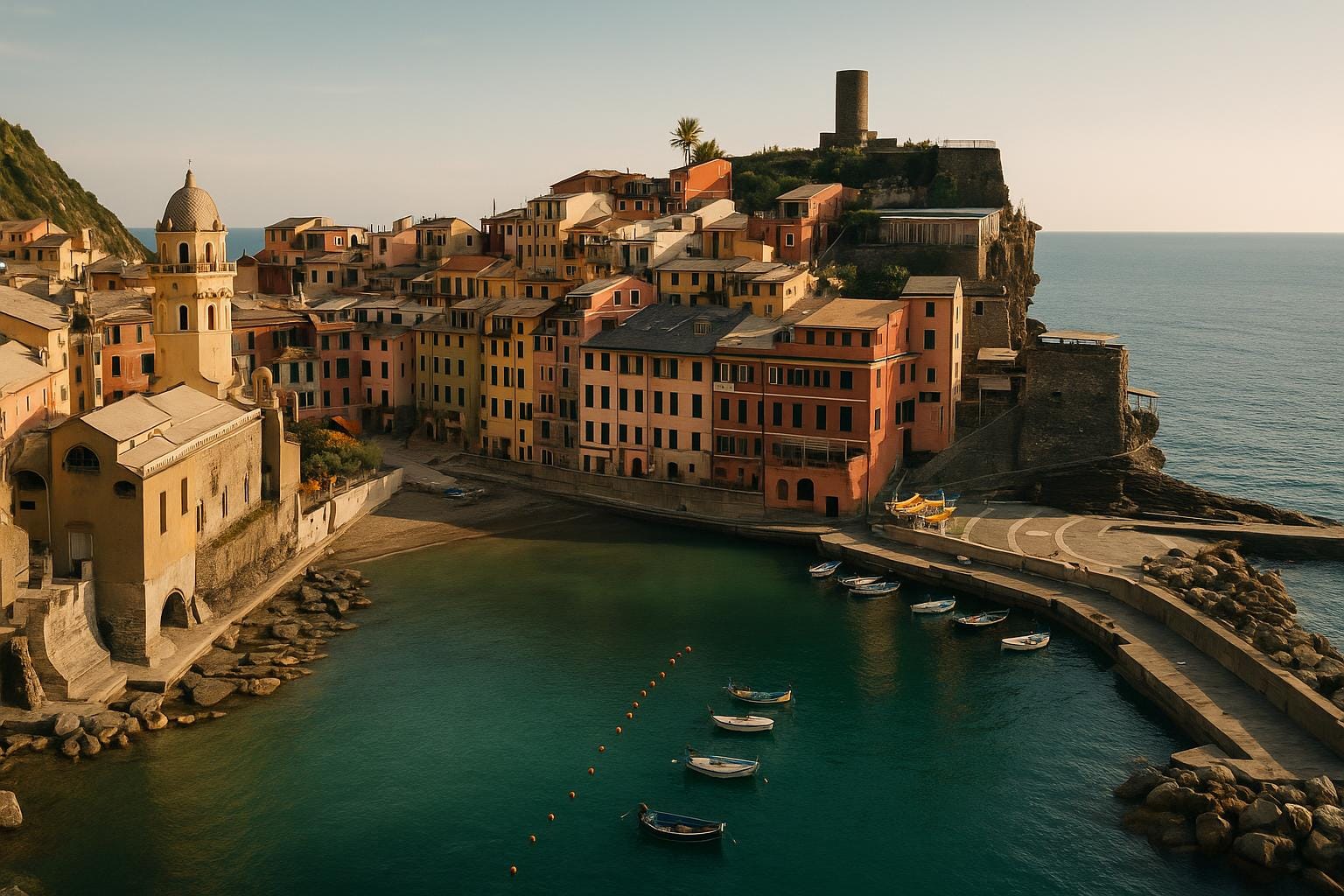
Clinging to pink and tangerine cliffs above the Ligurian Sea, Tellaro is a postcard-sized hamlet with wave-lapped steps, bobbing fishing skiffs, and laundry lines strung across lanes. It’s a quiet alternative to busier Cinque Terre.
Why go
- Atmospheric alleys and sea-sprayed church square.
- Coastal footpaths to Lerici and Fiascherino’s rock pools.
- Romantic sunsets across the Gulf of Poets.
How to get there
- By train: La Spezia Centrale or Sarzana, then a local bus to Tellaro (25–40 minutes).
- By car/RV: A12 to La Spezia or Sarzana; final approach is narrow—avoid town center with larger campervans.
- Airports: Pisa (1 hr 15 min), Genoa (1 hr 45 min).
Where to stay
- Charming B&Bs and small hotels in Tellaro or nearby Lerici; book sea-view rooms well ahead in summer.
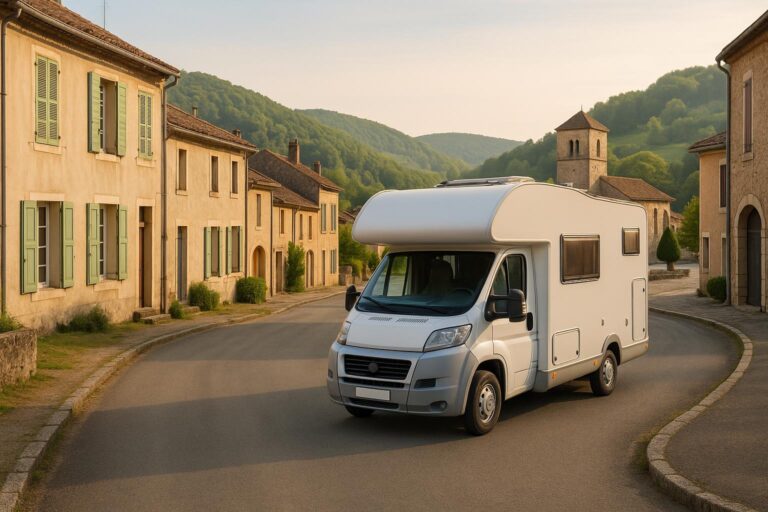
- RV & camper tip: Overnight in designated aree di sosta around Lerici/Sarzana and bus in; use apps like Park4Night or Campercontact. Many coastal villages have ZTL traffic zones.
Where to eat
- Seafood pastas and octopus salads are the move; look for trattorie with the day’s catch on the chalkboard.
- Splurge idea: Locanda Miranda is beloved for Ligurian seafood tasting menus.
Best months
- Late May–June and September for warm swims and manageable crowds.
- October is gorgeous for hiking if you don’t need beach days.
Talamone, Tuscany (Maremma)
A petite fortress town atop a rocky promontory, Talamone keeps watch over the wild Maremma coast. Expect windsurfers skimming the bay, pine-fringed beaches, and access to the Parco dell’Uccellina’s trails and dune-backed coves.
Why go
- Medieval walls and a photogenic harbor at golden hour.
- Kitesurfing, sailing, and family-friendly beaches nearby.
- Gateway to Tuscan cowboys country and nature reserves.
How to get there
- By train: Talamone station on the Pisa–Rome line (regional), with limited service; Albinia station (10 km) has more options.
- By car/RV: Follow the SS1 Aurelia; ample parking outside the old town.
- Airports: Rome FCO (1 hr 50 min), Pisa (2 hrs).
Where to stay
- Harbor-view guesthouses or agriturismi in the surrounding Maremma hills.
- RV & camper tip: Talamone Camping Village (seasonal) offers pitches, shade, and direct sea access; book summer weekends.
Where to eat
- Try spaghetti alle vongole, grilled catch-of-the-day, and Maremma wines (Morellino di Scansano).
- Gelato and aperitivo bars along the marina are perfect post-beach.
Best months
- May–June and September are sweet spots; water’s warm, wind is reliable for boards, and trails are green.
- July–August bring heat and crowds—start early and siesta.
Sperlonga, Lazio (Riviera di Ulisse)
Whitewashed lanes tumble to sandy crescents and aquamarine water. Add the Emperor Tiberius’ seaside villa and grotto museum, and you’ve got a history-meets-beach idyll halfway between Rome and Naples.
Why go
- Blonde Blue Flag beaches and a photogenic old town.
- Tiberius’ Grotto and excellent on-site archaeological museum.
- Easy weekend escape from Rome by rail.
How to get there
- By train: Rome to Fondi–Sperlonga (1 hr 10 min), then a frequent shuttle bus (15–20 min) to town and beaches.
- By car/RV: Via SS7 Appia/SS213 Flacca; park below the old town and walk up.
- Airports: Rome FCO/CIA (1.5–2 hrs).
Where to stay
- Beachfront hotels on the lido; cozy B&Bs atop the historic ridge.
- RV & camper tip: Camping Nord Sud (seasonal) sits along the coast; otherwise use official aree di sosta outside the ZTL and bike or shuttle in.
Where to eat
- Order fried alici (anchovies), sea bream, and citrusy granita between swims.
- Classic seaside trattorie line the promenade; try a sunset table overlooking the bay.
Best months
- June and September for warm seas with fewer umbrellas.
- May and early October are beachable on sunny days.
Acciaroli, Campania (Cilento Coast)
South of the Amalfi crowds, the Cilento delivers quieter villages, olive-clad hills, and clear, calm water. Acciaroli’s stone lanes and sandy beaches are famously clean and family-friendly—Hemingway was said to have stopped here.
Why go
- Authentic fishing-village pace with Blue Flag beaches.
- Gateway to Cilento & Vallo di Diano National Park and hill towns like Pollica.
- Anchovy traditions and extra-virgin olive oil at their finest.
How to get there
- By train: High-speed to Salerno, then regional to Agropoli–Castellabate or Ascea, followed by local bus/taxi (40–60 min).
- By car/RV: A3 (A2 Autostrada del Mediterraneo) to Battipaglia, then SS18 south; scenic coastal driving.
- Airports: Naples (2 hrs), Salerno–Costa d’Amalfi (seasonal flights).
Where to stay
- Boutique B&Bs near the port and family-run hotels on the lido.
- RV & camper tip: Well-kept campgrounds and agricampeggi dot the Cilento coast between Agropoli, Acciaroli, Ascea, and Palinuro; choose seaside sites with shade and shuttle access.
Where to eat
- Sample alici di menaica (traditional line-caught anchovies), spaghetti alle alici, and lemony delizie for dessert.
- Look for trattorie with house-made olive oil and Cilento white figs.
Best months
- Late May–June and September–early October. Sea stays warm into mid-October.
- August is festive but crowded; reserve umbrellas and tables early.
Maratea, Basilicata
Dramatic cliffs, pebble coves, and a hilltop Christ the Redeemer statue set the stage in Maratea, Basilicata’s coastal outpost. It’s a cinematic sweep of craggy coastline with emerald water and baroque chapels.
Why go
- Hidden beaches like Fiumicello and Acquafredda.
- Old town sunsets beneath the Redeemer statue.
- Boat trips to grottos and snorkeling over rocky shelves.
How to get there
- By train: Maratea station on the Salerno–Reggio Calabria line; taxis/buses connect to beaches and the borgo.
- By car/RV: SS18 hugs the coast—twisty but spectacular; use pullouts for views, not random shoulders.
- Airports: Naples (2.5–3 hrs), Lamezia Terme (2.5 hrs).
Where to stay
- Clifftop boutique hotels and villas; budget-friendly B&Bs in the historic center.
- RV & camper tip: Seek coastal aree di sosta near Fiumicello/Marina di Maratea; book in high season and carry leveling blocks for terraced pitches.
Where to eat
- Try spaghetti with colatura di alici, grilled locally caught fish, and Lucanian specialties like peperoni cruschi.
Best months
- June and September for boat days and clear water.
- July is great for beach life if you don’t mind a buzz; August is peak.
Scilla, Calabria (Costa Viola)
On Calabria’s violet-hued coast facing Sicily, Scilla’s Chianalea quarter is a lacework of old fishermen’s houses set right on the sea. Swordfish is culture here; you’ll see the distinctive felucca boats gliding offshore.
Why go
- Chianalea’s lanes, where balconies dip to the water.
- Marina Grande beach with crystal-clear shallows.
- Easy link to Sicily via Villa San Giovanni ferries.
How to get there
- By train: Scilla station on regional lines between Reggio Calabria and Villa San Giovanni.
- By car/RV: A2 Autostrada del Mediterraneo to Scilla exit; coastal roads are narrow—avoid entering Chianalea by camper.
- Airports: Reggio Calabria (30 min), Lamezia Terme (1 hr 40 min).
Where to stay
- Sea-view B&Bs in Chianalea and modern hotels near the beach.
- RV & camper tip: Use the marina-side parking/official spots above town; walk or shuttle down to the beach and old quarter.
Where to eat
- Order pesce spada (swordfish) in every form—grilled, involtini, or with capers and lemon.
- Finish with bergamot granita, a Calabrian specialty.
Best months
- Late May–June for calmer seas and bloom-filled hills.
- September–early October for warm water and lighter crowds.
Castro, Puglia (Salento)
Carved into the limestone cliffs of Salento’s Adriatic, Castro blends a fortified upper town with a marina of swimming platforms and caves. It’s quieter than big-name Puglian resorts but just as photogenic.
Why go
- Sea caves like Grotta Zinzulusa reachable by boat.
- Stone platforms for Mediterranean-style cliff swimming.
- Easy access to Otranto’s beaches and the coastal road to Santa Maria di Leuca.
How to get there
- By train: Lecce to Maglie/Poggiardo (Ferrovie del Sud Est), then bus/taxi (20–30 min).
- By car/RV: SP358 coastal road is stunning but winding; approach slow and park above the marina.
- Airports: Brindisi (1 hr 20 min), Bari (2 hrs 20 min).
Where to stay
- Simple seaside hotels and B&Bs in Castro Marina; historic stays in the upper borgo.
- RV & camper tip: Seek agricampeggio and campsites in the Otranto–Alimini area or inland near Tricase; day-trip along the coast.
Where to eat
- La Grotta del Conte is a beloved classic for local seafood with sea views—reserve.
- Try orecchiette with cime di rapa and raw seafood platters when in season.
Best months
- June and September are ideal; water is warm and boat trips plentiful.
- May and early October offer sunny cliff swims on calm days.
Key Takeaways
- For sunshine without the crowds, aim for late May–June and September across most of Italy’s coasts.
- Trains plus short buses get you to many smaller towns; by car/RV, park outside historic centers and mind ZTL zones.
- Use official aree di sosta, campsites, and agricampeggio for camper services and easy beach access.
- Order local: anchovies in Cilento, swordfish in Scilla, and Ligurian seafood in Tellaro—menus follow the morning’s catch.
Final thoughts
If you’ve done Italy’s headliners, these quieter coastal towns deliver that elusive sweet spot: real life by the sea with just enough creature comforts. String a few together for a Liguria-to-Puglia road trip, or base yourself in one and slow down. Whether you arrive by train, rental car, or RV, the recipe is simple: pack light, swim often, eat what the boats bring in, and chase the golden hour along the docks.