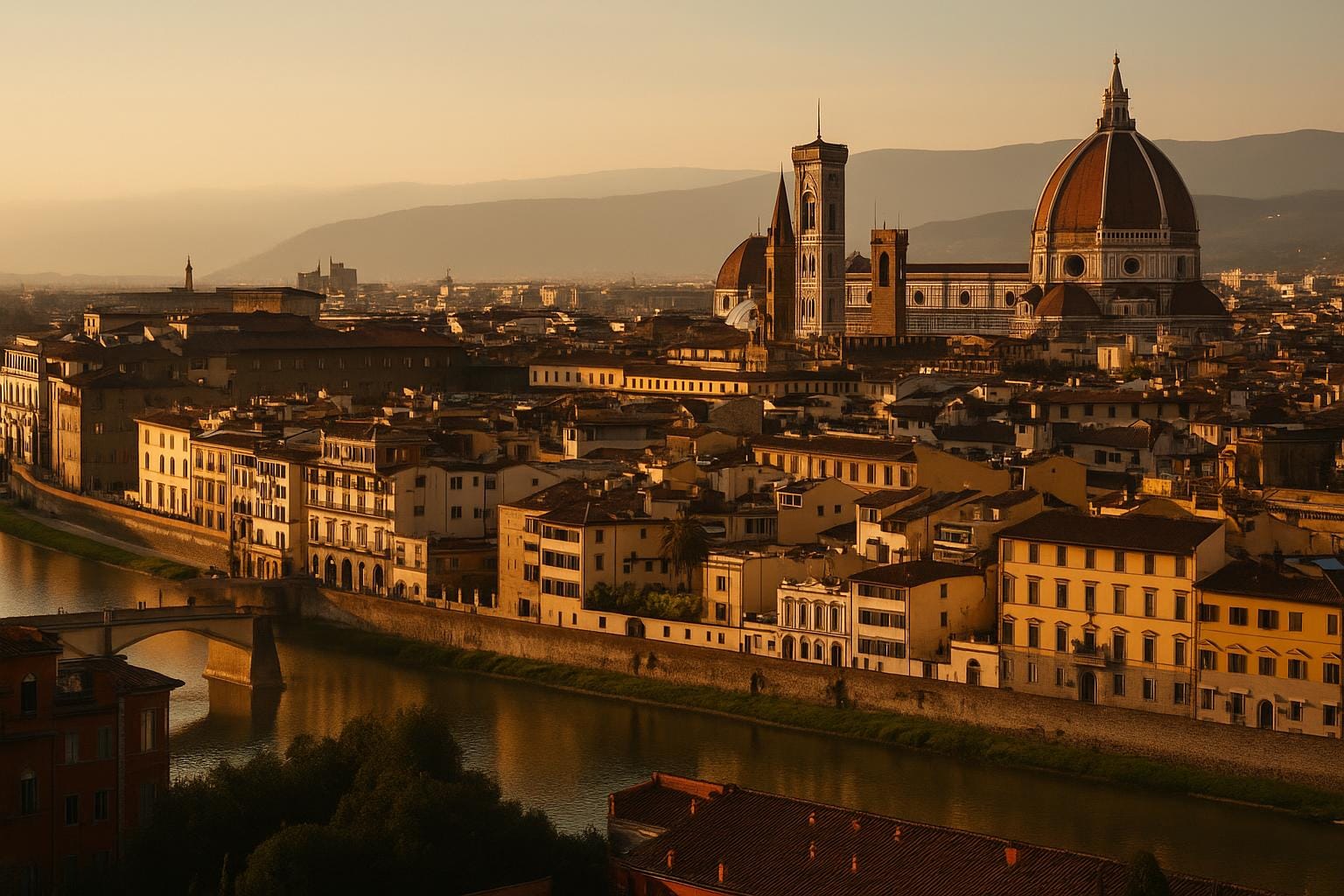
How to Spend 48 Hours in Florence on a Budget
Florence may be the cradle of the Renaissance, but it doesn’t have to cradle your wallet. With world-class art, free viewpoints, and satisfying street food, you can see the best of the city in just two days without spending a fortune. This step-by-step 48-hour Florence itinerary focuses on low-cost museums, authentic eats under €10, and practical timing tricks to dodge crowds. There’s a handy walking map and even RV/campervan tips to keep European road-trippers rolling smoothly.
Why Florence Works for Budget Travelers
Florence is compact. Many headline sights cluster within a 15–20 minute walk around the Duomo and the Arno, so you’ll save on transit. The city also offers stellar free panoramas (Piazzale Michelangelo, the Rose Garden, and the rooftop terrace at the Biblioteca delle Oblate) and a handful of inexpensive, high-value museums. Add in markets, panini shops, and gelato under €5, and your euros go further than you might expect.
Timing is everything. If you’re strategic—arriving early, booking certain museums ahead, and targeting church and museum hours wisely—you’ll not only save money but spend less time in line. This guide blends those tactics with a walkable route so you can hit Florence’s highlights in 48 hours without racing or overspending.
Smart Savings: Passes, Free Days, and Timing
- Firenze Card (72 hours): If you’re planning multiple major museums (e.g., Uffizi, Accademia, Bargello), this can be cost-effective over a short window. Prices and inclusions change—check the official site and factor in any required reservation fees for the busiest museums.
- Combined/seasonal tickets: When available, combination tickets (e.g., Uffizi + Pitti Palace + Boboli Gardens) can be good value if those are priorities. Compare current pricing with single entries.
- First Sunday free: On the first Sunday of the month, many state museums across Italy offer free entry. Expect big crowds; arrive before opening or choose smaller museums instead.
- Free or low-cost gems:
- Orsanmichele Church (free to enter on most days; check hours). The exterior niches and interior are a quick, rewarding stop.
- Bargello National Museum (generally a low-to-mid ticket price for top-tier sculpture; shorter lines than the Uffizi).
- San Marco Museum (Fra Angelico frescoes; excellent value and usually calmer).
- Biblioteca delle Oblate cafe terrace (free view of the Duomo’s dome; perfect for a budget coffee break).
- Timing hacks:
- Hit outdoor icons (Duomo exterior, Piazza della Signoria, Ponte Vecchio) before 9 a.m. for space and photos.
- Climb the Giotto’s Campanile early if you want a Duomo view without the dome climb queue.
- Museums are often quieter in late afternoons and at lunchtime; Mondays see more closures—plan accordingly.
Day 1: Icons and Oltrarno on Foot
Morning: Duomo area and coffee with a view
- Start at Piazza del Duomo. Entry to the cathedral nave is free (lines can be long; come early). The dome climb is ticketed; instead, consider the Campanile (bell tower) climb for a similar panorama with often shorter queues.
- Step into the Baptistery for a dose of golden mosaics if budget allows, or admire the replica doors outside. Then head to the Biblioteca delle Oblate terrace for a budget coffee and a priceless dome view.
Late morning: Medieval streets and a sculpture fix
- Walk toward Piazza della Signoria. The open-air Loggia dei Lanzi is free and packed with notable sculptures.
- Choose one paid museum for today: the Bargello (great value, masterworks by Donatello and Michelangelo) or, if you prefer paintings, hold off for Day 2’s art stop.
Lunch under €10
- Grab a panino at I’ Girone De’ Ghiotti or SandwiChic (customizable, generous fillings) or try a classic lampredotto sandwich from a street cart (slow-cooked tripe; a true Florentine staple) for about the price of a cappuccino and pastry.
Afternoon: Oltrarno artisans
- Cross the Ponte Vecchio and wander the Oltrarno lanes. Pop into workshops around Via Maggio and San Frediano to watch artisans at work. The Church of Santo Spirito is usually free to enter and a peaceful break.
- If you want greenery without splurging on Boboli, stroll the Rose Garden (Giardino delle Rose), just below Piazzale Michelangelo—free and fragrant in season.
Sunset and dinner
- Climb to Piazzale Michelangelo for that classic city panorama, then walk five minutes up to San Miniato al Monte for an even quieter view. If timing aligns, vespers here are atmospheric.
- For dinner on a budget, choose a slice shop or a simple trattoria’s daily special. Many places in San Frediano and Santo Spirito offer aperitivo deals where a drink comes with light bites—an easy, affordable end to Day 1.
Day 2: Art, Markets, and the Arno
Morning: Art your way
- If high art is a must, book early timed entry for the Uffizi or Accademia. Go first thing to beat the worst crowds. If you’re keeping costs down, opt for the San Marco Museum (Fra Angelico’s luminous frescoes) or another lower-cost gem instead.
- Prefer quirky? The Stibbert Museum (north of the center) is a treasure trove of arms, armor, and textiles, typically great value and crowd-free.
Lunch at the markets
- Head to Sant’Ambrogio Market for local, budget-friendly bites from counters and simple trattorie. It’s less touristy than the Central Market and a great place to sample Tuscan flavors for under €10.
Afternoon: Churches, leather, and river time
- Walk to Piazza Santa Croce. The basilica has an admission fee, but the square is lively and free, and the adjacent Scuola del Cuoio (leather school) welcomes visitors to see artisans at work—no ticket required.
- Continue along the Arno for people-watching and riverside photos. If you skipped big-ticket museums, duck into Orsanmichele or a smaller civic museum to round out the afternoon.
Evening: Gelato and golden hour
- Grab gelato at La Carraia (Oltrarno) or Gelateria dei Neri (near Santa Croce), both beloved and fairly priced. Catch golden hour from a bridge—Ponte Santa Trinita frames the Ponte Vecchio perfectly.
- Finish with a wallet-friendly sit-down: pizza margherita or ribollita (Tuscan bread-and-veg soup) are delicious and budget wins.
Cheap Eats Under €10: Where to Try the Classics
- Lampredotto stands (e.g., Trippaio del Porcellino): Florence’s most traditional sandwich—ask for salsa verde and a dipped bun.
- Mercato di Sant’Ambrogio: No-frills plates, daily specials, and fresh produce at local prices.
- Panini pros: I’ Girone De’ Ghiotti, Pino’s, SandwiChic. Big sandwiches, fair prices, and faster lines than the most hyped spots.
- Pizza al taglio: Pay by weight; it’s easy to keep portions (and prices) in check. In Oltrarno, Gusta Pizza’s classic pies are excellent value.
- Sweet treats: La Carraia, Gelateria dei Neri, or Perché no!—creamy scoops without tourist prices. Pro tip: avoid neon-bright gelato mounds piled high.
Tip: Drink tap water (it’s safe) and skip sit-down table fees by choosing take-away or standing at the bar for coffee (al banco).
Getting Around + RV/Campervan Tips
- Walk it: Florence’s center is mostly flat and compact. Expect 15–25 minutes between major sights.
- Trams and buses: Cheap and reliable. The T1 tram links the southwest park-and-ride with Santa Maria Novella station; T2 connects the airport. Buy tickets at machines or use contactless where available.
- Park-and-ride: Consider Villa Costanza (off the A1) for easy access to tram T1. It’s designed for drivers entering the city; check height/length restrictions online if you’re in a campervan.
- Camper-friendly bases:
- Firenze Camping in Town (east of the center) offers pitches and frequent bus connections. A reliable home base with services.
- Other campgrounds south of the city (toward Impruneta/Certosa) can be convenient if you plan to explore Chianti afterward. Always verify seasonal opening times.
- ZTL alert: Florence’s historic center has a strict zona a traffico limitato (limited traffic zone). Do not drive into the ZTL without authorization—fines are steep. Park outside and ride in.
Walking map: This route strings together the main budget-friendly highlights in an efficient loop: Duomo → Piazza della Signoria → Ponte Vecchio → Santo Spirito → Piazzale Michelangelo → San Miniato → Sant’Ambrogio → Santa Croce → Ponte Santa Trinita. Open the map and set mode to walking for turn-by-turn directions: Open the walking map.
Key Takeaways
- Cluster sights and go early: hit big piazzas and viewpoints before 9 a.m., museums late afternoon.
- Choose one or two paid museums and fill the rest with free viewpoints and churches to keep costs low.
- Eat like a local: markets, panini, lampredotto, and gelato keep meals under €10.
- Use park-and-ride and trams; avoid driving into the ZTL, especially with an RV.
With its walkable core, free panoramas, and honest, affordable food, Florence is one of Europe’s most rewarding budget city breaks. Two days is enough to savor Renaissance streetscapes, taste Florentine classics, and catch sunset over the Arno—without overspending. Pack comfortable shoes, book a couple of priorities, carry a refillable water bottle, and let the city do the rest.