Best RV-Friendly National Parks for First-Timers
If you’re planning your first RV trip to the United States—whether you’re a European traveler dreaming of iconic American landscapes or a road-trip fan stepping up from car camping—RV-Friendly National Parks are far easier to navigate than others. Wide roads, straightforward campground layouts, predictable reservation windows, and clear RV length limits can make the difference between a relaxing vacation and a white-knuckle learning curve.
Below, you’ll find practical picks like Shenandoah, Joshua Tree, and Badlands—plus bonus parks—along with road restrictions, hookup details, when to book, ideal seasons, route ideas, and a starter packing checklist for a stress-free first RV trip.
Shenandoah National Park: Skyline Drive Made Simple
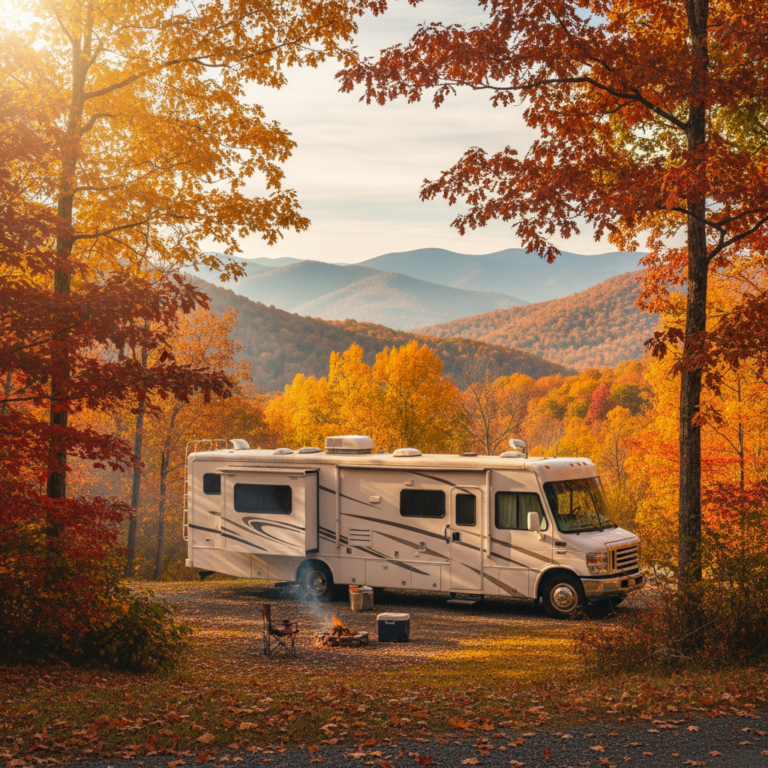
Just 75 miles from Washington, D.C., Shenandoah National Park is tailor-made for beginners. The 105-mile Skyline Drive is smooth and scenic, with a 35 mph speed limit, frequent overlooks, and numerous turnouts. Grades are gentle and there are no tunnels to worry about, though you should still watch for wildlife and weather-related closures in early spring and late fall.
Campgrounds and length limits: Big Meadows, Mathews Arm, and Loft Mountain offer a mix of sites, including pull-through options. Many loops accommodate RVs up to roughly 35–40 feet (check individual site descriptions for pad lengths and turn radii). There are no hookups inside the park, but you’ll find potable water and dump stations at main campgrounds. Generator hours and quiet hours are posted—plan to manage your battery usage or bring solar.
Reservations and season: Sites open on Recreation.gov, typically six months ahead. Weekends in spring and fall (especially leaf season, late September to late October) book quickly. Summer is lush and family-friendly; spring and fall deliver cooler temps and fewer bugs.
Route idea: Start in Front Royal, spend a night at Mathews Arm, a second at Big Meadows (great hiking access), and a third at Loft Mountain. If time allows, continue onto the Blue Ridge Parkway to explore the Shenandoah Valley’s small towns and viewpoints before looping back.
Joshua Tree National Park: Desert Simplicity and Starry Nights
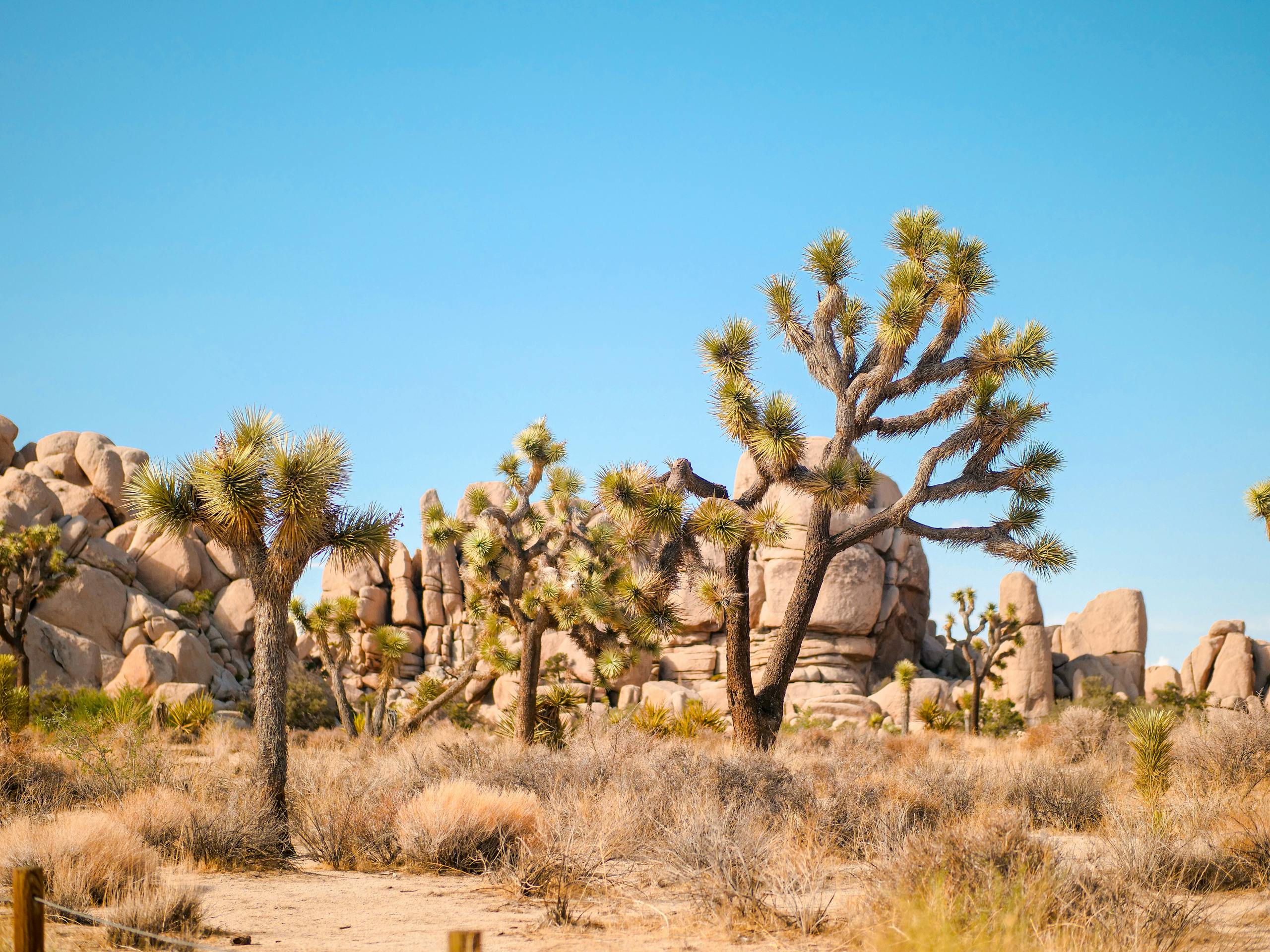
Joshua Tree is a fantastic first-timer desert park: wide roads, few steep grades, and plenty of parking at major sights. The trade-off is that there are no hookups in the park, and summer can be dangerously hot.
Campgrounds and length limits: For larger rigs, aim for Black Rock (near Yucca Valley) or Cottonwood (near I-10). Both have water and dump stations, and many sites fit RVs up to about 35 feet. Scenic campgrounds like Jumbo Rocks and Hidden Valley offer classic boulder views but tighter loops and more limited lengths. Boondocking is not permitted inside the park; if you want hookups, look to nearby private RV parks in Twentynine Palms, Yucca Valley, or Palm Springs.
Reservations and season: Peak months are October through April. Reserve up to six months in advance; weekends and holidays go fast. Summer is best avoided unless you have robust heat management and plan very early morning activities.
Road notes: Wind can kick up suddenly; secure awnings and watch for blowing sand. Some pullouts are unpaved—check ground clearance and traction before leaving the asphalt.
Route idea: Base in Palm Springs or Indio and enter via Cottonwood to tour Cholla Cactus Garden and the Ocotillo Patch. Continue to Keys View and cap the day with sunset among the monzogranite boulders near Jumbo Rocks. Exit via the West Entrance to explore artisan towns along Highway 62.
Badlands National Park: Big Skies, Easy Roads
With broad vistas and a straightforward road network, Badlands National Park is another low-stress favorite. The Badlands Loop Road is fully paved, with wide turnouts for photos and minimal steep grades. Watch for bison, bighorn sheep, and prairie dogs near the road edge.
Campgrounds and hookups: Cedar Pass Campground (run by the park concessioner) has large, mostly level sites and excellent access to overlooks and trails. It offers electric sites in designated loops and is big-rig-friendly; potable water and a dump station are available nearby. Sage Creek is a primitive, first-come campground better suited to vans and smaller rigs. For full hookups, consider nearby private parks just outside the boundary.
Reservations and season: Peak demand is June–August, but the shoulder seasons (April–June and September–October) offer milder temperatures and fewer storms. Reserve concessioner sites directly via their website or phone; availability typically opens many months in advance.
Route idea: From Rapid City or Wall, tour the Badlands Loop Road, stop at the Ben Reifel Visitor Center, and make time for the Notch Trail. Pair your visit with Minuteman Missile National Historic Site off I-90 for an educational detour.
Two More Easy Wins for First-Time RVers
Grand Canyon National Park (South Rim)
At the South Rim, Trailer Village RV Park offers full hookups (30/50A) and can accommodate big rigs up to ~50 feet. Free shuttles serve overlooks, so you can park and ride. Book with the concessioner (Xanterra) well ahead—6–13 months out is common for prime dates. Mather Campground (NPS) is a no-hookup option with a dump station.
Season: Year-round access varies with snow. Spring and fall offer cooler temps and fewer crowds; nights can be cold at 7,000 feet.
Acadia National Park (Maine)
Schoodic Woods Campground (on the quieter Schoodic Peninsula) features spacious pads, water and electric hookups, and easy access to coastal scenery. Blackwoods (near Bar Harbor) is closer to the Park Loop Road but lacks hookups. The Island Explorer bus system (seasonal) reduces driving stress and parking hassles.
Reservations and season: Reserve on Recreation.gov six months out for stays between late spring and fall. Fog and narrow coastal roads are part of the charm; take it slow and use pullouts generously.
Reservations and Road Rules: What First-Timers Should Know
- Reservation windows: Most NPS campgrounds open on Recreation.gov six months in advance (often at 7 a.m. local time). Concessioner sites may open earlier; Trailer Village (Grand Canyon) regularly books 6–13 months out, and Cedar Pass (Badlands) generally opens months ahead via its own site.
- Length limits: Site pages list pad length; your RV must fit entirely on the pad. Some parks list RV length (not including tow vehicle), while others list total combined length. If you tow, verify which length the park uses, and check approach angles and loop tightness in site photos and reviews.
- Hookups and power: Many national park campgrounds are dry camping (no hookups). If you need electricity, target parks with electric loops (e.g., Cedar Pass) or nearby private RV parks. Respect posted generator hours and quiet times.
- Road restrictions: Park websites list height, width, and hazardous cargo rules under “Plan Your Visit” and “Current Conditions.” Our picks avoid major tunnel escorts or extreme grades, but always confirm seasonal closures, wind advisories, and construction.
- Water and dump stations: Travel with only the fresh water you need to reduce weight and slosh, then top off near camp. Carry a water pressure regulator and the correct power adapter (30A/50A). European travelers: U.S. campground power is 120V; rentals include appropriate adapters.
- Daily mileage: Inside parks, speeds are low. For a relaxed first trip, aim for 150–200 miles of driving per day and plan generous stop time.
Sample route ideas
- Skyline Sampler (3–4 days): D.C. to Front Royal, Skyline Drive with nights at Mathews Arm and Big Meadows, optional Blue Ridge Parkway detour, return via Charlottesville.
- Desert Boulders and Views (2–3 days): Palm Springs–Cottonwood entrance–Cholla Cactus Garden–Keys View–Jumbo Rocks area–West Entrance–Highway 62 arts and cafés.
- Great Plains Loop (2–3 days): Rapid City–Badlands Loop Road–Ben Reifel Visitor Center–Minuteman Missile NHS–Wall, with sunrise/sunset photo stops.
Packing and Setup: The Quick-Start Checklist
First-time RVers stay happiest when the basics are covered. Use this streamlined list to avoid common hiccups.
Essential connections
- 30A/50A power adapters (“dogbones”) and a surge protector
- Freshwater hose, inline filter, and water pressure regulator
- Sewer hose with clear elbow, seals, and disposable gloves
- Leveling blocks, wheel chocks, and a bubble level
Safety and navigation
- Tire pressure gauge and inflator, spare fuses, basic tool kit
- Headlamp, reflective triangles, paper map/road atlas for no-signal zones
- Downloaded offline maps and park brochures
Camp comfort
- Extra drinking water, quick-dry towels, and layers (deserts and mountains get cold at night)
- Folding chairs, soft lighting for dark-sky parks, and a small broom/dustpan
- Food storage containers (wildlife-smart), trash bags, and biodegradable soap
Arrival/setup flow
- Do a slow loop through the campground first to assess site access and tree clearance.
- Park, level, and chock before extending slide-outs or stabilizers.
- Connect power/water, then sewer. Confirm CO/LP detectors are functional.
- Stow awnings in wind and secure loose gear when leaving camp.
Tip for European travelers: Practice backing and mirror use before arrival day. U.S. sites are often wide, but rigs can be longer than European campervans. When in doubt, ask a neighbor or campground host for a spotter—RV culture is friendly.
Key Takeaways
- Pick easy parks first: Shenandoah, Joshua Tree, and Badlands balance scenic drives with beginner-friendly roads and campgrounds.
- Book early: Most NPS sites open six months out; concessioner RV parks (e.g., Trailer Village) may open earlier and sell out fast.
- Know your numbers: Confirm RV and pad lengths, power needs (30A/50A), and generator rules before you reserve.
- Travel light and slow: Keep daily miles modest and carry the right hookups, hoses, and leveling gear.
- Choose your season: Spring and fall are the sweet spot for cooler temps and lighter traffic in most featured parks.
With the right park picks, a few smart reservations, and a simple packing plan, your first RV adventure can be all views and no stress. Start with these beginner-friendly national parks, build confidence on scenic roads, and you’ll be ready to tackle more ambitious routes next time.