From Dream to Driveway
A 10-Step Budget Roadmap for Your First RV Purchase
Buying your first RV on a budget can feel overwhelming, but with a practical plan you can define a realistic number, compare layouts, and avoid common mistakes. This roadmap walks you through 10 steps to build a budget that matches your dreams and your wallet.
Step 1: Define your true buying budget
Start with a hard ceiling that covers the purchase price plus tax, extended warranties, and immediate setup costs. Add a 10–20% cushion for surprises, and set a monthly payment target if financing. Use real numbers from your finances, not vibes or wishful thinking. For a helpful starting point, see our budget-first RV research guide. Track your actual costs for a couple of months before you commit, so you know what numbers you truly live with on the road.
Step 2: Research floorplans that fit your lifestyle
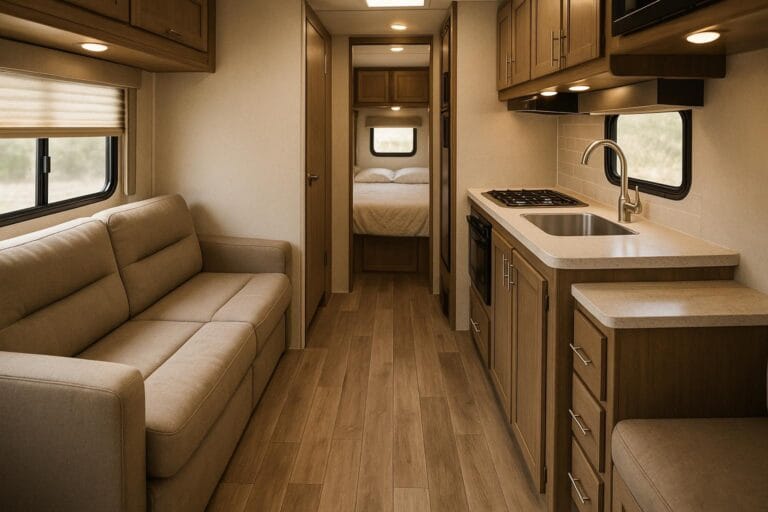
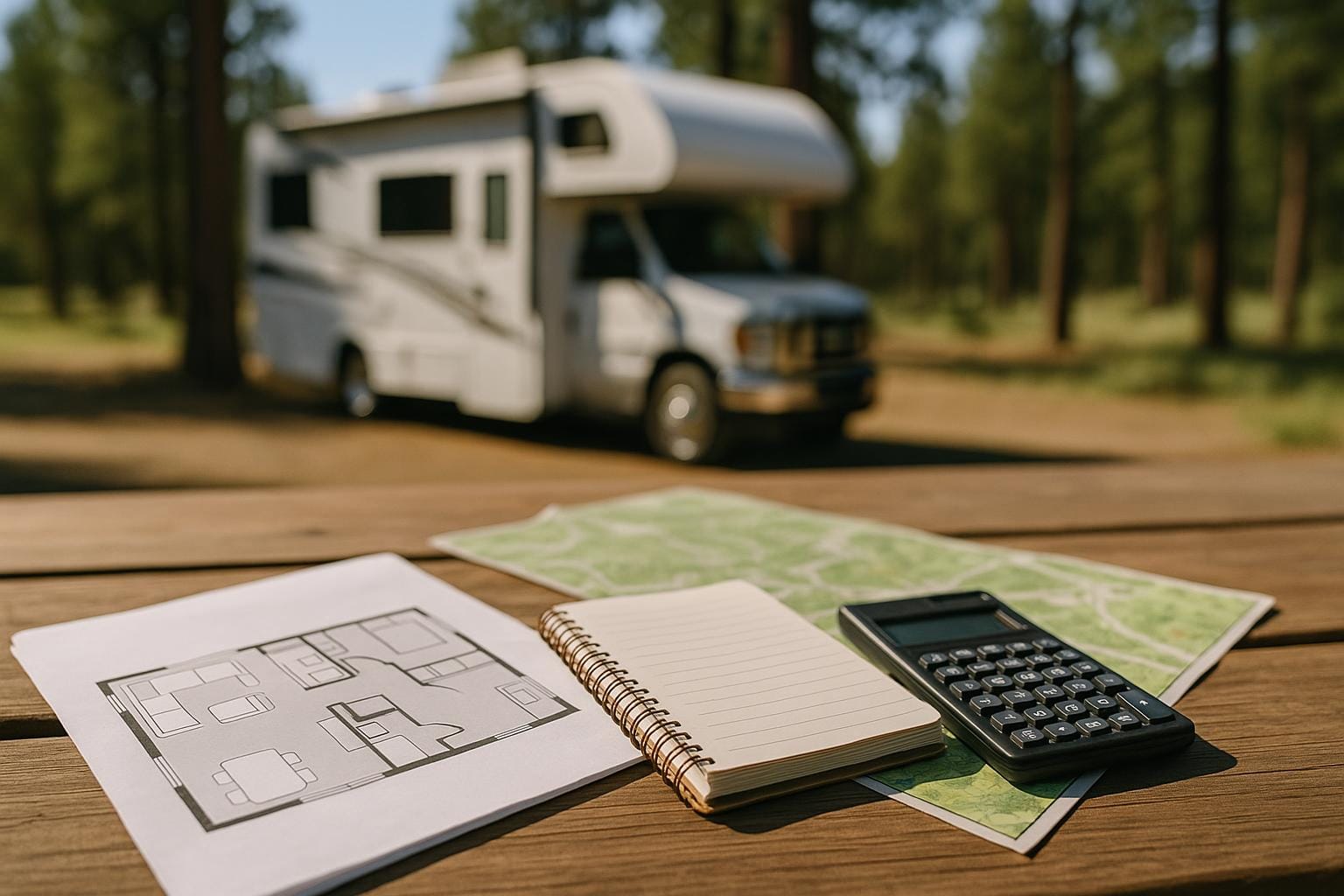
List must-haves (bed size, dining area, storage) and nice-to-haves. Size matters for maneuverability, especially if you plan back-road trips or boondocking. Use real-world examples from trips you imagine, not showroom fantasies. Before touring models, check our shopping checklist to evaluate each option fairly. If possible, look at floorplans in several sizes to understand how your daily routine will fit inside.
Step 3: Estimate ongoing costs (fuel, maintenance, insurance, and storage)
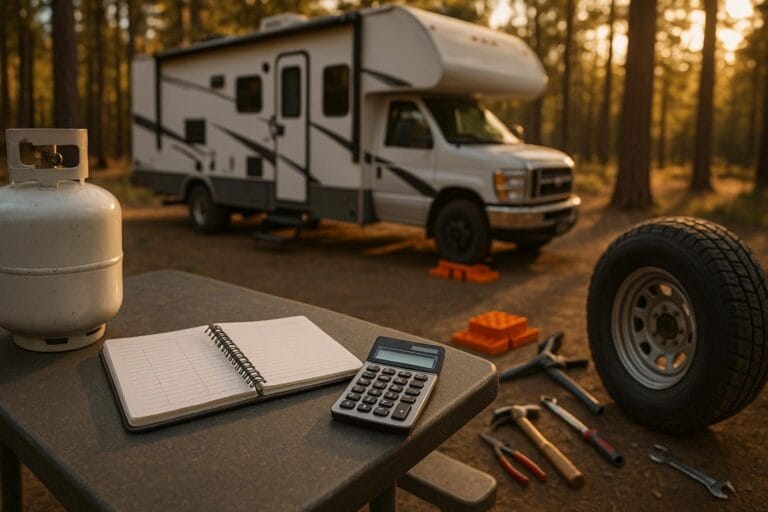
Estimate fuel use based on your expected miles per year, factor maintenance costs for wear items, and add insurance and storage fees. Don’t forget campground dues and typical utilities. Build a monthly budget projection for the next 3–5 years to see what fits. If you want a quick baseline, review the planning resources that accompany our budgeting guides. A realistic plan often reveals the sweet spot between travel dreams and monthly costs.
Step 4: Compare new vs pre-owned options
New units offer the latest features and warranties but cost more; used units can save money but may require more upkeep. Create a small pros/cons table in your notes and see which path aligns with your budget and risk tolerance. For insight on how to weigh options, check new vs pre-owned. Also consider resale value and how long you plan to keep the RV before upgrading.
Step 5: Inspect and verify the rig before buying
Walk around every exterior, check tires, brakes, leaks, and slide-outs. Inspect the appliances, batteries, generator (if included), and water systems. If possible, borrow or rent a test drive, or schedule a longer demo. Use a simple inspection checklist to avoid missing hidden costs. Bring along a friend or an RV-savvy mechanic if you can; another pair of eyes is worth it.
Step 6: Plan upgrades and essential gear to stay within budget
Think upgrades that pay back in reliability and comfort, like a solar kit, good tires, or a tankless water heater. Prioritize upgrades that save money in the long run, and stage purchases over time to avoid debt. For off-grid travel, see our boondocking basics. Consider how weight and energy use will affect towing, fuel economy, and battery life, so you don’t overspend on gear you won’t use.
Step 7: Map financing, insurance, and warranty considerations
Shop loan terms from multiple lenders, check pre-approval options, and compare warranty packages. Understand coverage types, deductibles, and how maintenance plans influence long-term cost. If you’re new to RV ownership, this is a great place to start with our buying resources. Don’t forget to factor registration, taxes, and potential discount opportunities from dealers.
Step 8: Do a reality check with a dry run or weekend trial
Plan a short scouting trip or rent a similar model to test your budget, driving, storage needs, and daily routines. Notice how much gear you actually use and how much space you need for kids and pets. This trial helps you adjust expectations before signing the papers. Keep a simple diary of what worked and what didn’t, and revisit it after your test runs.
Step 9: Build a decision framework and scoring system
Create a simple scoring rubric for each model: price, floorplan fit, comfort, reliability, and potential resale value. Weight factors by importance to your family and plot the scores. A clear framework makes the final choice less stressful. Use a 1-5 scale for each category and tally totals to highlight the best overall fit.
Step 10: Make the purchase and plan your first adventures
Once you find a model that checks your budget and lifestyle boxes, proceed with the purchase and schedule a first trip. Keep records, set a budget for upkeep, and revisit your numbers after 3–6 months on the road. Plan a contingency budget for unexpected repairs or weather-related issues. Congratulations — you’ve taken a serious, practical step toward RV adventures.
Remember, the key is to start with a solid budget, then build around the lifestyle you want on the road. Start small, test often, and adjust as your plans evolve. Happy travels.