How to Ride Europe’s Night Trains Like a Pro
Essential tips for riding night trains across Europe
Riding Europe’s night trains can be a comfortable, budget-friendly way to travel long distances while you sleep. This guide breaks down how to choose the right sleeper, book efficiently, and stay comfortable from departure to dawn.
Choosing the right sleeper: couchettes vs private sleepers
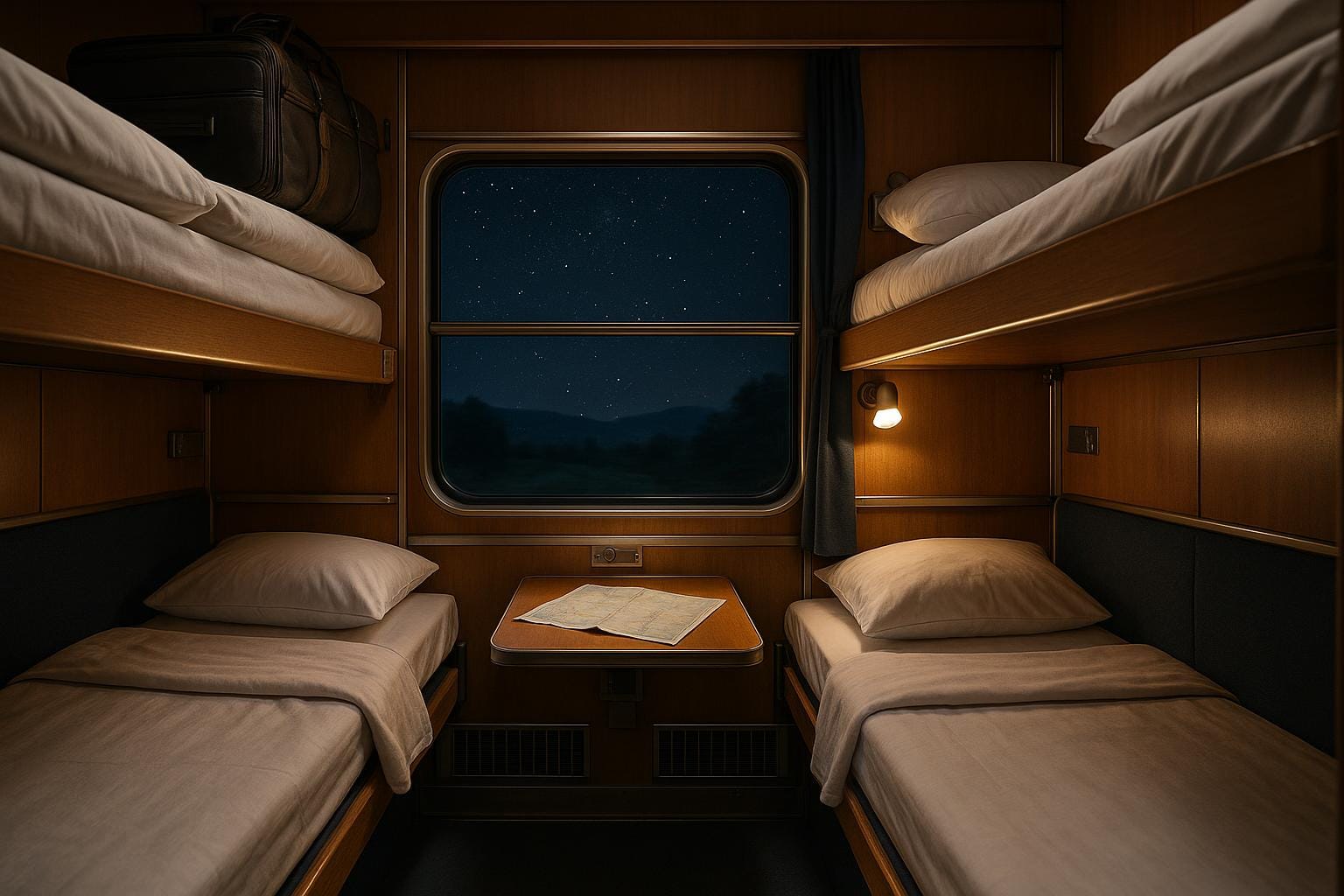
Most night trains offer a range of sleeping options aimed at different budgets and privacy levels. A couchette, usually in a shared compartment with 4-6 beds, is cheaper but less private than a private sleeper or a double berth. Consider length of the journey, your comfort needs, and how much you value quiet during the night. Pack a compact travel pillow, an eye mask, and earplugs to improve rest, and bring a small lock for securing belongings while you sleep. Bedding is often provided, but a light blanket or wrap can be useful if you tend to run cold.
Booking and saving money
When planning routes, compare options across operators and booking windows. If you’re making multiple legs, a rail pass can simplify logistics and save money. For a seasoned traveler, EURAIL like a pro: Routes, Passes, Costs is a good framework to evaluate whether a pass fits your itinerary. If your journey starts in Italy, our A First-Timer’s Guide to Train Travel in Italy offers region-specific sleeper tips. For inspiration on standout night routes, check our article on scenic train rides in Europe.
Top tips for a comfortable night aboard
- Dress in layers. Temperature in cabins can vary; a light sweater or hoodie helps.
- Pack light but smart: a compact towel, a foldable bag, and a charger with a universal adapter.
- Store valuables in a secure, easily accessible location and keep your passport on you when possible.
- Bring snacks and water; many trains have limited food options late at night.
- Be mindful of quiet hours and respect other passengers sharing the space.
What to pack for a successful night train
Keep personal care items in a small bag, including toothpaste, a toothbrush, and a washcloth. A compact travel blanket or pashmina adds warmth, while a collapsible reusable bottle keeps you hydrated. A compact power bank and charging cables ensure devices stay charged for the journey.
Safety and etiquette on board
Protect your belongings by using the overhead rack or under-bed storage and keeping valuables with you when possible. Be courteous during the trip—keep noise down, avoid blocking the aisle, and communicate with fellow travelers if you need extra space. If you’re traveling with a fellow traveler, coordinate wake times so one person can rest while the other keeps an eye on the cabin during transitions.
Conclusion
Night trains can be a practical part of a Europe itinerary when planned with bedding options, booking windows, and packing strategies in mind. Start with a clear route plan, check cross-border connections, and review current sleeper options to tailor the experience to your budget and comfort level.